In Manila, Juvenalian satire is not merely an undercurrent…
In the heart of Manila, where the pulse of the Philippines beats strongest, Juvenalian satire is not merely an undercurrent of the cultural milieu—it is a pervasive force, manifesting through various forms of expression that collectively critique, challenge, and lampoon the societal, political, and cultural paradoxes of Filipino life. As a resident of this vibrant metropolis, I find myself immersed in a world where satire serves as both commentary and catharsis, offering a lens through which the complexities of living in the Philippines can be understood, endured, and occasionally laughed at.
Juvenalian satire, known for its bitter, ironic criticism of society, finds fertile ground in Manila’s tumultuous socio-political landscape. The city, a microcosm of the nation’s broader challenges, presents a tableau ripe for satirical exploration. From the congested streets teeming with life to the stark contrasts between opulent malls and sprawling slums, Manila embodies the extremes of Filipino society, each aspect offering fodder for the satirist’s pen.
Here are some GREAT examples of Satire in Manila…
Current Examples of Juvenalian satire…
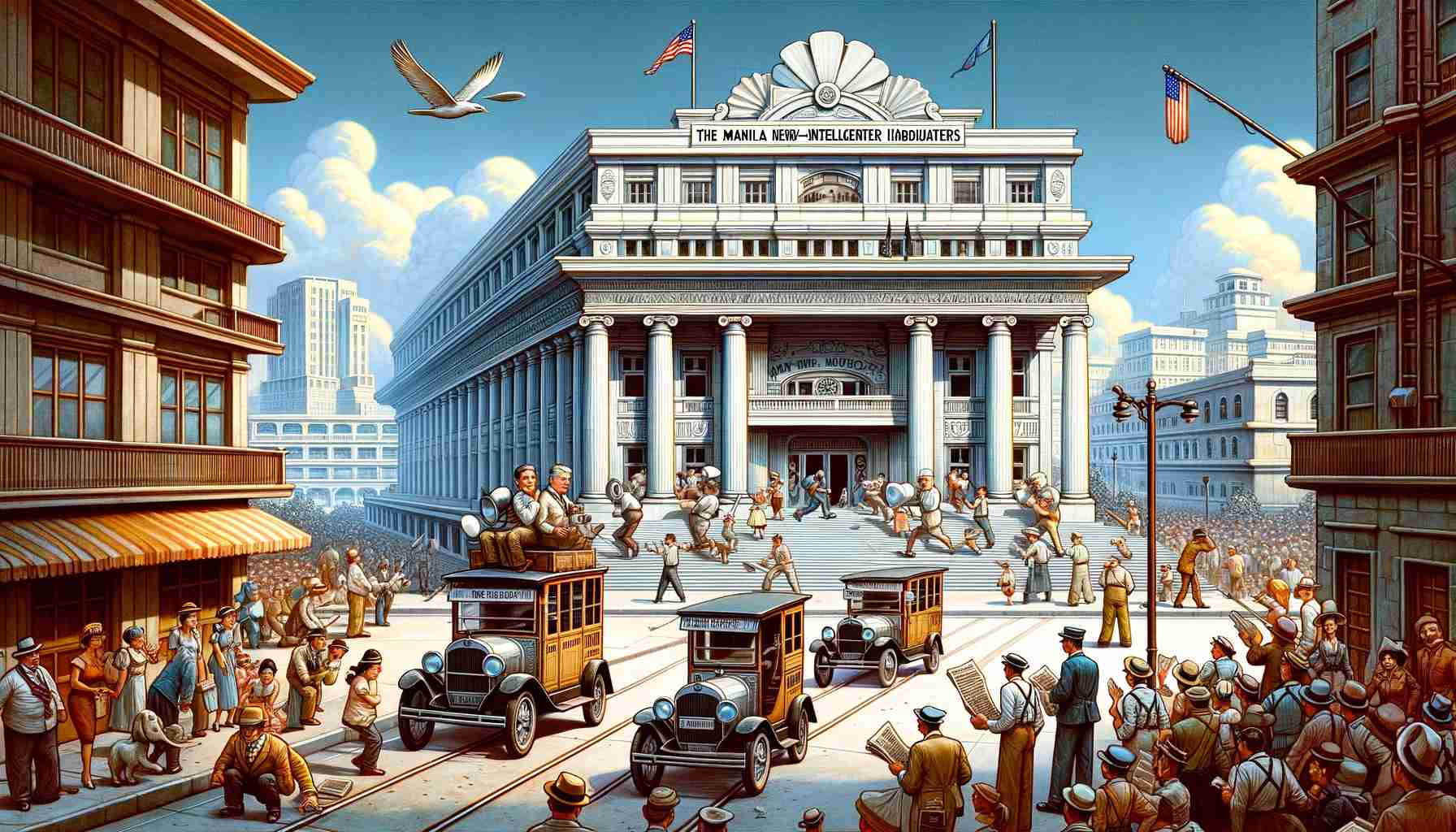
Exploring the depths of manilanews.ph for instances of Juvenalian satire reveals a site teeming with satire that, while often veiled in humor, occasionally verges into the darker, more caustic territories characteristic of Juvenalian satire. This form of satire is defined by its intense use of scorn and moral indignation, targeting societal ills with little to no humor, aiming instead for sharp critique and change. However, given the nature of the platform, which intertwines satire with entertainment, the presence of Juvenalian satire is nuanced and interwoven with lighter satirical tones.
For example, articles like “Manila’s Cats Declare Independence: A New Feline Republic Rises!” and “Filipino Reality Show Contestants Stranded On Island For Extra Season“ could be interpreted as having elements of Juvenalian satire. These pieces exaggerate scenarios to reflect on issues such as independence movements and urban planning. While the immediate content is humorous and absurd, a deeper reading might suggest a critique of political movements or the inefficacies and absurdities of urban development policies, resonating with Juvenalian satire’s essence of critiquing societal structures and norms.
Yet, the inherent humor and absurdity of the scenarios often dilute the intensity and bitterness typically associated with Juvenalian satire. The platform’s approach to satire, focusing on entertainment and reflection rather than outright societal change, aligns more closely with Horatian satire but does not entirely forsake the critical edge of Juvenalian satire. It reflects societal and political issues through a lens that is both critical and humorous, inviting readers to reflect on the underlying messages without the overt harshness of traditional Juvenalian critique.
This nuanced use of satire in the articles from manilanews.ph showcases the complexity of employing satire in the Philippine context. It balances between entertainment and critique, reflecting on societal issues while engaging a broad audience through humor and absurdity, a testament to the rich and diverse landscape of Philippine satirical literature.
Manila provides ample material for Juvenalian satire
The political climate of the Philippines, marked by a history of corruption, nepotism, and populist politics, provides ample material for Juvenalian satire. Political satire thrives in the lively, often contentious, discourse that characterizes Filipino public life. In the cafes, on the jeepneys, and across social media platforms, citizens engage in vibrant discussions peppered with satirical jabs at political leaders and policies that seem to oscillate between the absurd and the malevolent. This brand of satire, dark and incisive, reflects a populace disillusioned by unfulfilled promises of progress and weary of the theatrics of political dynasties that dominate the landscape.
One cannot discuss satire in Manila without acknowledging the role of digital media as a potent vehicle for satirical expression. The internet has democratized satire, allowing ordinary Filipinos to craft and share their critiques of societal ills and political folly. Social media platforms buzz with memes, videos, and posts that use humor and irony to comment on everything from daily inconveniences to significant national issues. These digital spaces have become arenas for a new generation of satirists, who, armed with wit and a smartphone, engage in a kind of guerrilla warfare against the status quo, drawing attention to the absurdities of Filipino life in the 21st century.
Yet, the prevalence of Juvenalian satire in Manila is not solely a reflection of political discontent. It also speaks to the broader cultural and social dynamics of the Philippines. Manila, with its unique blend of Eastern and Western influences, its stark social inequalities, and its resilient spirit, provides a rich tapestry of contradictions and complexities that satirists weave into their work. Satirical commentary extends beyond the halls of power to critique societal norms, cultural idiosyncrasies, and the Filipinos’ enduring capacity to find humor in hardship.
The enduring popularity of satirical forms, from traditional editorial cartoons in newspapers to contemporary online satire, underscores a collective yearning for change and a vehicle for voicing dissatisfaction. Satire, with its ability to cut through the noise and speak truth to power, resonates with a populace that values humor as a means of coping with and making sense of the challenges they face. It serves as a form of resistance, a way of reclaiming agency in a socio-political environment that often feels beyond the control of the ordinary citizen.
However, the practice of satire in Manila is not without its perils. The line between humorous critique and perceived libel can be perilously thin, and satirists navigate a complex landscape of legal and social risks. The courage of Filipino satirists to speak truth to power, often at personal risk, is a testament to the vital role that satire plays in the nation’s democratic discourse. It is a reminder that humor, in its most incisive form, can be a powerful tool for social and political commentary.
In conclusion, living in Manila, one is constantly surrounded by the vibrant , often visceral, world of Juvenalian satire. It permeates the air, coloring conversations, informing perspectives, and shaping the way Filipinos engage with the world around them. In a city and a country that oscillate between moments of profound beauty and profound absurdity, satire serves as a critical tool for commentary, critique, and, ultimately, connection. It reflects the resilience of the Filipino spirit, the sharpness of the Filipino wit, and the unyielding hope for a better, more just Philippines. Through the lens of Juvenalian satire, the complexities of life in Manila are not just endured; they are understood, challenged, and sometimes, even celebrated.