Urban Agriculture & Development
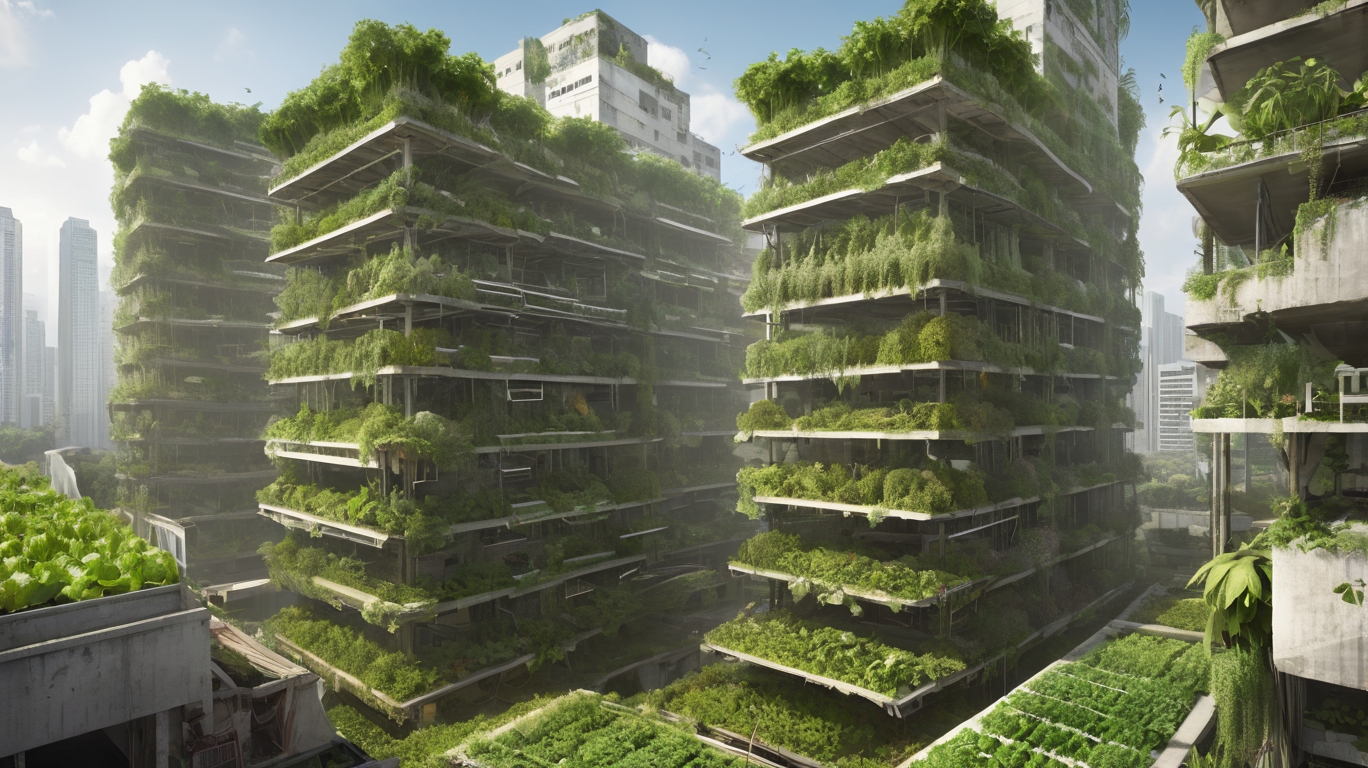
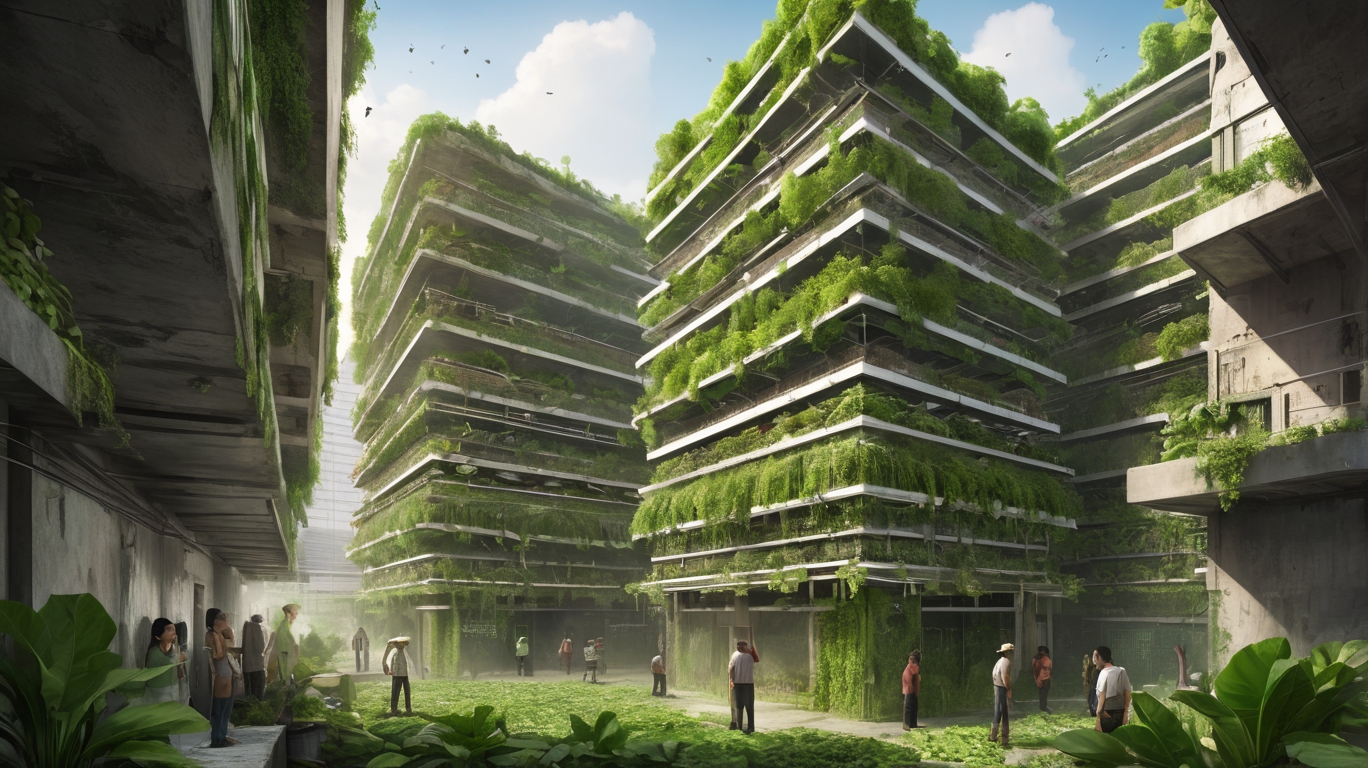
The densely populated city addressed food security and urban blight simultaneously by transforming vacant structures into productive agricultural facilities using hydroponic and vertical growing systems.
Caloocan City Converts Abandoned Buildings into Vertical Farms
Caloocan City Agricultural Development Office pioneered urban food production by converting 25 abandoned buildings into vertical farming facilities, simultaneously addressing food security and urban decay while creating agricultural employment in the metropolitan area.
Urban Agriculture Innovation
Vertical Farming Director Dr. Carmen Santos showcased the converted facilities during a tour of a former warehouse now producing lettuce, tomatoes, and herbs using hydroponic systems and LED growing lights. “Abandoned buildings become food production assets rather than community eyesores, while providing fresh produce to local residents.”
The program includes multiple building types converted for different agricultural purposes: former factories producing leafy vegetables, abandoned office buildings growing herbs and spices, and converted residential structures specializing in urban fruit production. Each facility employs former construction workers retrained as urban farmers.
Food Security Through Urban Design
Sustainable development expert Dr. Maria Reyes praised the integration approach: “Caloocan is proving that dense urban areas can produce significant portions of their own food supply while revitalizing deteriorated neighborhoods through productive land use.”
The vertical farms supply local markets, restaurants, and a direct-to-consumer program where residents can purchase fresh produce grown within walking distance of their homes. Prices are competitive with traditional agriculture due to reduced transportation costs and year-round production capabilities.
Urban farmer Jennifer Cruz, formerly unemployed, described her career change: “I learned hydroponic farming techniques and now manage a facility producing vegetables for my entire neighborhood. It’s satisfying work that provides healthy food for my community while earning decent income.”
The program includes educational components where local schools visit vertical farms to learn about urban agriculture, nutrition, and sustainable food systems, inspiring the next generation of urban farmers.
International urban planning organizations have sent delegations to study Caloocan’s model as a potential solution for food security and urban renewal challenges in other densely populated metropolitan areas.