West Philippine Sea Renamed “Bumper Car Paradise” After Record-Breaking Month of Naval Collisions
International Maritime Organization Declares Disputed Waters Official Theme Park Following Unprecedented Vessel Contact Statistics
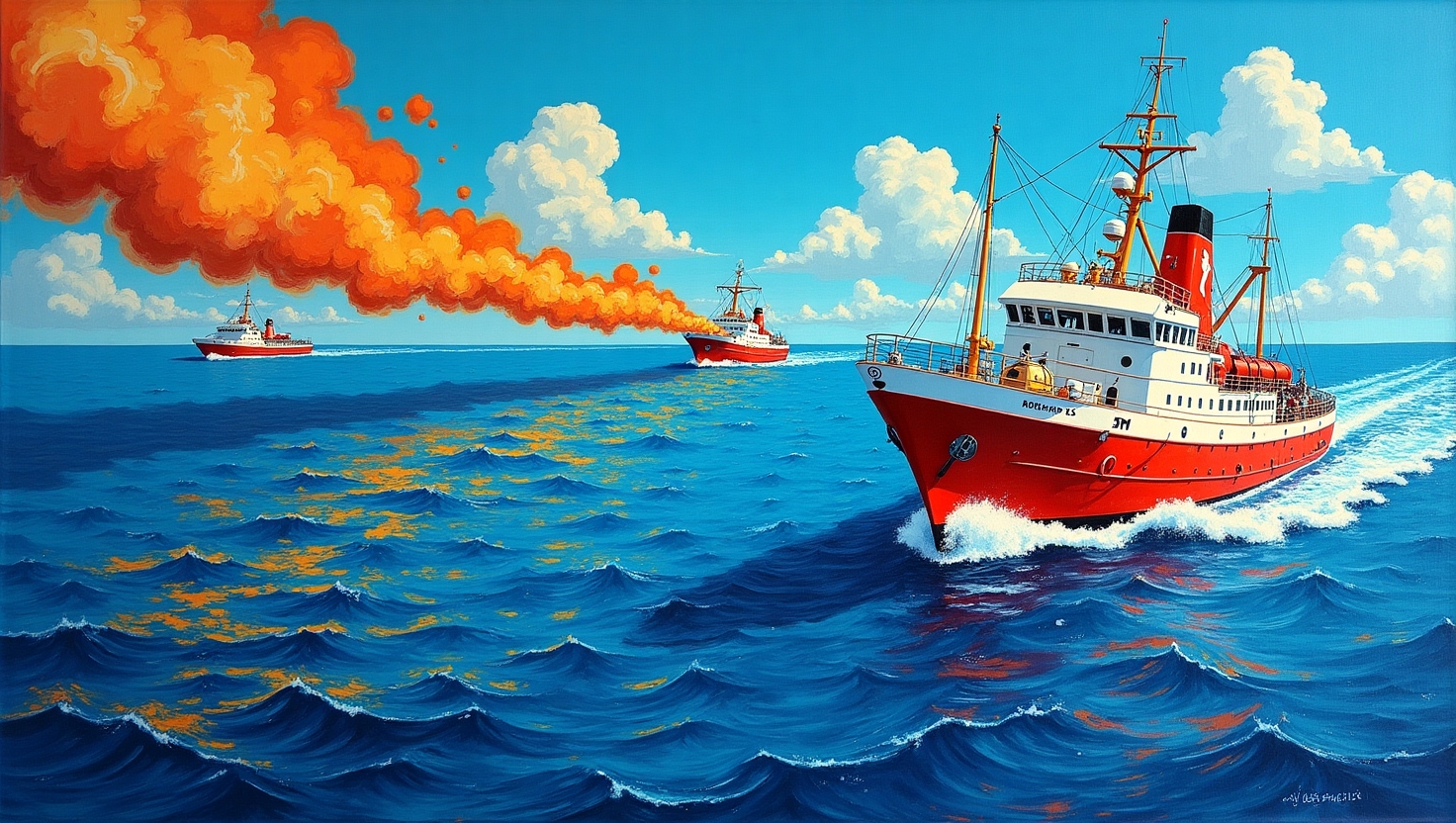
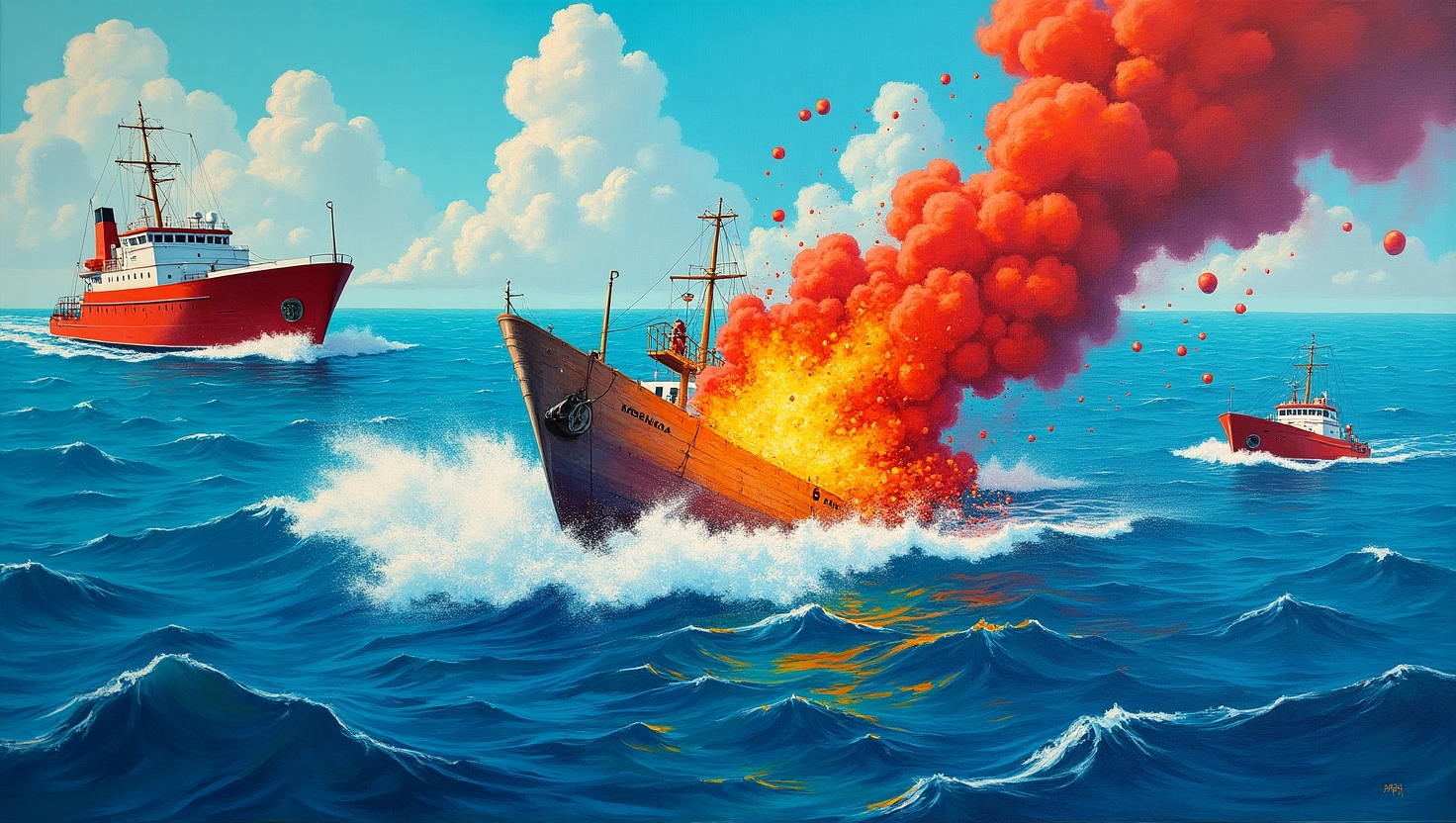
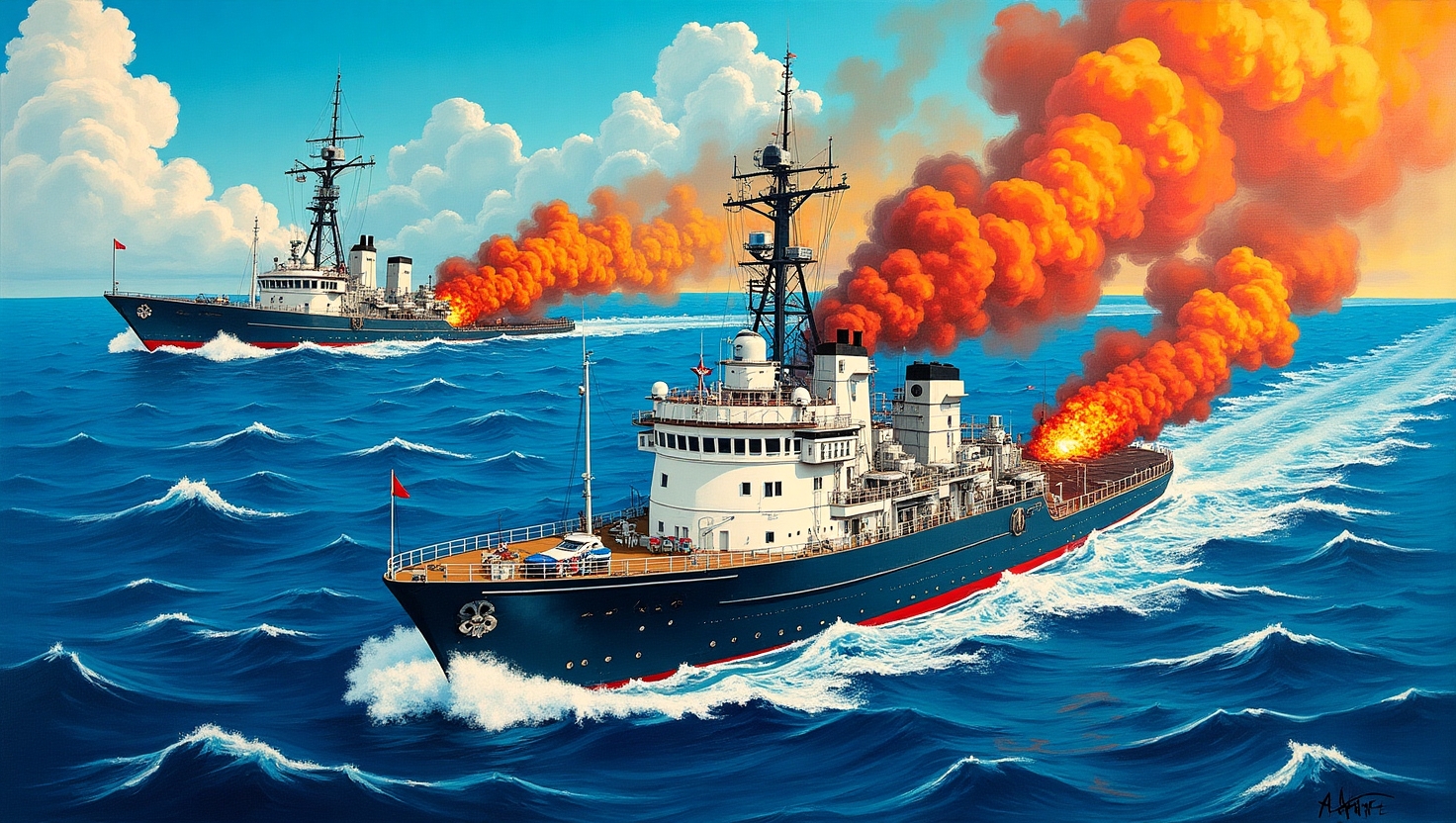
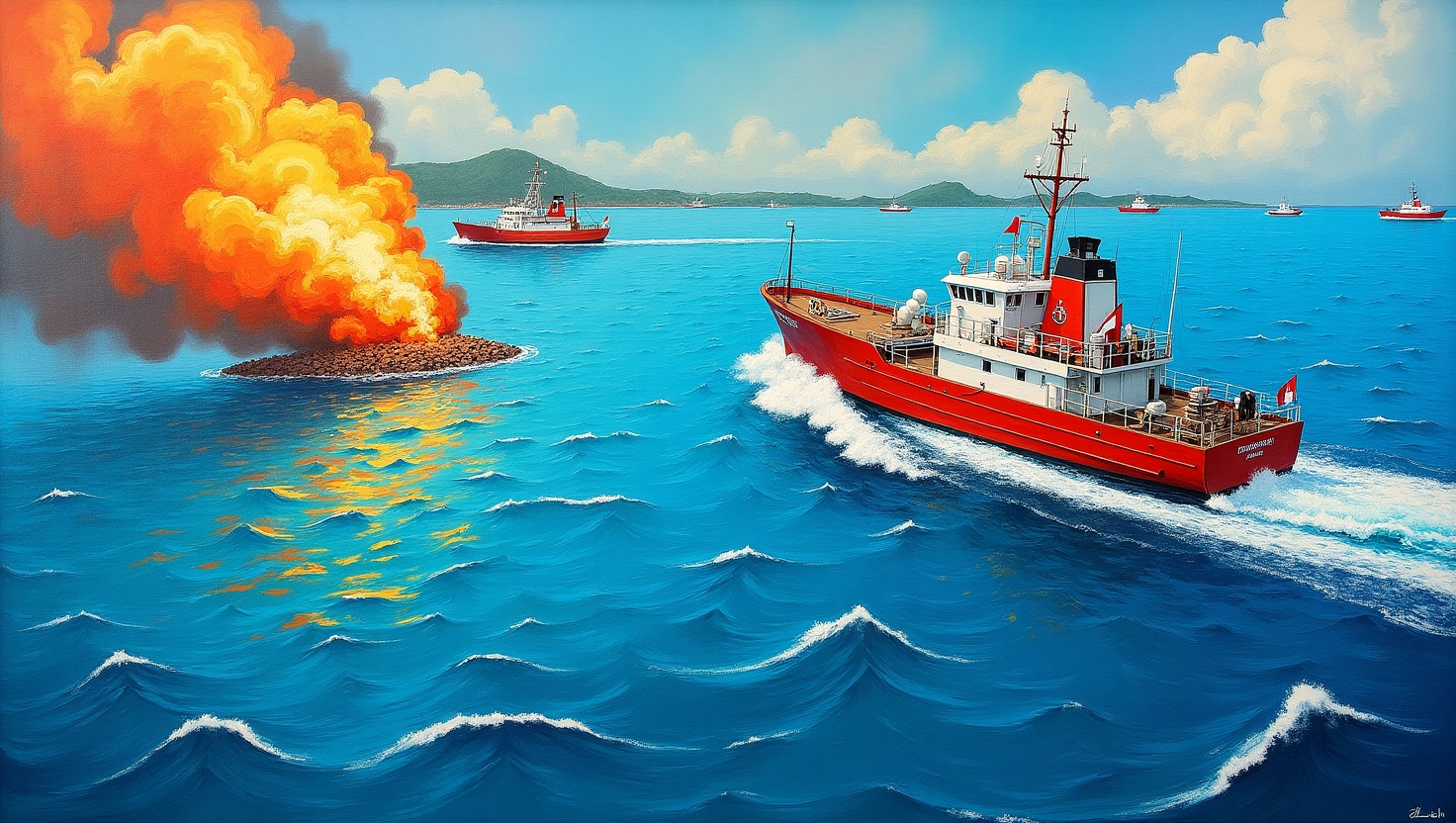
In a move that has theme park designers questioning their career choices, the International Maritime Organization has officially redesignated the West Philippine Sea as “Bumper Car Paradise,” the world’s first accidental aquatic amusement park. The decision came after maritime traffic controllers recorded what experts call “statistically impossible collision frequencies” during a single month that saw more vessel-to-vessel contact than most bumper car rides experience in an entire summer season.
The redesignation follows careful analysis of shipping data that revealed collision patterns so consistent and entertaining that maritime safety officials concluded the encounters must be intentional recreational activities rather than actual navigation accidents. The transformation from international waterway to theme park represents what tourism experts call “the most organic entertainment venue development in maritime history.”
Vice Ganda’s recent comedy special captured the absurd rebranding perfectly: “Ginawa na ngang theme park ang West Philippine Sea! Bumper Car Paradise daw! Eh di ba dapat may ticket booth muna, may safety briefing, may height requirement? Pero dito, free admission, walang safety gear, at yung mga bumper cars, actual na military vessels! Mas thrilling pa kaysa sa Enchanted Kingdom!”
The unofficial theme park status emerged after international observers noticed that vessel collisions in the area followed patterns remarkably similar to traditional bumper car operations: vehicles approach each other at moderate speeds, make contact with impressive sound effects, bounce apart dramatically, and then circle around to repeat the process with obvious enjoyment from all participants.
Theme Park Operations and Visitor Experience
Maritime traffic analysis reveals that Bumper Car Paradise operates on what entertainment industry experts recognize as a classic amusement park model. Peak operating hours occur during daylight when visibility is optimal for collision choreography, with what park management calls “enhanced evening programming” featuring dramatic lighting effects from vessel searchlights.
Pokwang’s observational humor perfectly addresses the visitor experience: “May schedule pa talaga! Umaga, hapon, gabi – may different programs! Parang sa Disneyland, may parade sa umaga, may fireworks sa gabi. Dito, may ramming sa umaga, may water cannon show sa hapon, tapos may dramatic standoff sa gabi complete with spotlights! All-day entertainment!”
The most popular attraction appears to be “The Classic Chinese Coast Guard Experience,” featuring large vessels that circle smaller craft while providing what visitors describe as “aggressive customer service” through loudspeaker announcements and complimentary hull washing via high-pressure water systems. Customer reviews consistently praise the authenticity and intensity of the experience.
Visitor safety protocols have evolved organically through what park operators call “learning-through-collision methodology.” Regular participants have developed sophisticated protective equipment including reinforced hulls, diplomatic immunity documentation, and what appears to be the marine equivalent of bumper car padding distributed strategically around vessel exteriors.
The theme park experience includes multiple attractions operating simultaneously across different zones. The “Second Thomas Shoal Spectacular” offers intimate collision experiences in shallow water, while the “Scarborough Shoal Slam” provides high-speed encounters in deeper waters with enhanced water cannon special effects.
Innovative Ride Technology and Safety Features
Bumper Car Paradise has pioneered several technological innovations that traditional amusement parks study with intense professional interest. The collision detection systems operate with precision that would make automotive safety engineers weep with envy, ensuring that vessel contact occurs at optimal speeds for maximum entertainment value while minimizing actual structural damage.
Michael V’s comedy routine addressed the technological sophistication: “Mas advanced pa ang technology nila kaysa sa mga tunay na bumper car! May radar, may GPS tracking, may real-time collision prediction software. Yung mga traditional bumper car sa carnival, hindi ganyan kasophisticated. Dito, alam mo na kung sino ang magiging kasunod mong nabangga even before mo pa siya mabangga!”
The water cannon systems represent perhaps the most innovative safety feature in amusement park history. Unlike traditional bumper cars that rely on rubber bumpers for collision cushioning, Bumper Car Paradise vehicles use high-pressure water systems to create dynamic impact absorption while simultaneously providing what marketing materials describe as “complimentary vessel maintenance services.”
Advanced navigation systems ensure that collisions occur in optimal locations for both entertainment value and photographic documentation. Each encounter is automatically recorded by multiple camera systems for what park management calls “commemorative collision documentation” and international observers use for “educational maritime behavior analysis.”
The most impressive innovation involves real-time diplomatic incident management systems that automatically generate formal protests, international law citations, and media statements within minutes of significant collisions. This automation ensures that the entertainment value extends beyond the physical collision into comprehensive geopolitical drama.
Visitor Demographics and Customer Satisfaction
Park attendance analysis reveals a surprisingly diverse visitor base representing multiple nations, military organizations, and what demographic researchers classify as “professional maritime confrontation enthusiasts.” Regular visitors include coast guard crews, naval personnel, fishing fleets, and an increasing number of international maritime law students conducting what they call “field research.”
Ai-Ai delas Alas captured the diverse visitor experience: “May mga regular customers na talaga! Yung mga Chinese coast guard, parang season pass holders na – araw-araw nandyan! Yung mga Philippine vessels naman, parang mga local residents na naging tour guides na rin. Tapos may mga international observers na parang mga turista na naka-binoculars, nag-pi-picture!”
Customer satisfaction surveys consistently rate the collision experiences as “highly memorable” and “intensely engaging,” though response rates remain low due to what researchers diplomatically term “post-collision communication challenges.” The few completed surveys praise the authenticity, unpredictability, and comprehensive nature of the territorial dispute simulation experience.
Repeat visitors demonstrate remarkable loyalty, with some vessels returning multiple times per week for what they describe as “collision recreation therapy.” The addictive nature of the bumper car experience has created what maritime psychologists recognize as the first documented cases of “territorial assertion amusement dependency.”
International maritime insurance companies have noticed the demographic trends, creating specialized “theme park collision coverage” policies for vessels operating in what they now classify as “recreational territorial dispute zones.” These policies cost significantly more than traditional maritime insurance but include coverage for what insurers call “entertainment-related sovereignty incidents.”
Economic Impact and Revenue Generation
The accidental theme park has generated unprecedented economic activity throughout the region, creating what economists call “the collision economy” – a new sector based entirely on vessel-to-vessel contact entertainment. Related industries include specialized bumper vessel manufacturing, collision repair services, and what market analysts term “diplomatic incident consulting.”
Jose Manalo’s material addressed the economic boom: “Malaking business opportunity ito! May mga specialized na repair shop na ngayon para sa mga na-bump na barko. May mga insurance company na nag-specialize sa collision coverage. May mga tour operators pa na nag-o-offer ng ‘Collision Viewing Experience’ para sa mga tourists na gusto manood lang!”
Revenue generation occurs through multiple streams including vessel registration fees for park access, collision documentation services, diplomatic incident processing charges, and what appears to be a thriving merchandise market featuring commemorative collision videos, territorial dispute educational materials, and surprisingly popular “I Survived Bumper Car Paradise” t-shirts.
The economic multiplier effect has revitalized coastal communities throughout the region. Ports report increased traffic from vessels requiring post-collision maintenance, while coastal hotels experience unprecedented bookings from what tourism boards diplomatically describe as “maritime recreation specialists” and “collision sports enthusiasts.”
Local businesses have adapted to serve the unique needs of bumper car participants. Restaurants now offer “pre-collision dining” packages, marine supply stores stock specialized “recreational ramming equipment,” and several entrepreneurs have launched “collision coaching” services for inexperienced bumper car operators.
International Recognition and Tourism Development
The accidental theme park has attracted attention from international tourism organizations seeking to understand how territorial disputes can be transformed into recreational attractions. Several countries with their own maritime boundary issues have sent delegations to study the Bumper Car Paradise model for potential replication.
Eugene Domingo’s comedy routine captured the international interest: “May mga foreign delegations na dumadating para mag-study! Parang educational tour para sa mga gustong mag-setup din ng sarili nilang bumper car paradise sa kanilang mga disputed waters. May Korea, may Japan, may India – lahat gustong matuto kung paano mo ginagawang entertainment ang territorial dispute!”
Tourism infrastructure has evolved rapidly to accommodate international visitors interested in collision spectating. Observation platforms have been established on neutral vessels, complete with educational commentary about territorial disputes, collision techniques, and what tour guides call “the artistic elements of maritime confrontation.”
The United Nations has established a dedicated “Bumper Car Paradise Monitoring Station” staffed by international observers who provide real-time entertainment quality assessments and collision safety evaluations. Their reports consistently rate the facility as “exceeding international standards for accidental amusement park operations.”
Professional collision analysts from traditional amusement park companies regularly visit to study the natural evolution of bumper car dynamics in unrestricted marine environments. Their research has led to innovations in terrestrial bumper car design and what entertainment engineers call “enhanced confrontational recreation technology.”
Safety Protocols and Risk Management
Despite operating without traditional theme park safety infrastructure, Bumper Car Paradise has developed sophisticated risk management systems that would impress professional amusement park operators. Safety protocols emerge organically through what risk management experts call “evolutionary collision optimization.”
Wally Bayola’s observations on safety measures: “May safety protocols pa rin naman! Hindi ka pwedeng mag-participate kung walang proper documentation, kung hindi mo alam ang international maritime law, at kung hindi ka ready sa post-collision diplomatic procedures. Mas strict pa kaysa sa mga tunay na theme park na nagche-check lang ng height requirement!”
Emergency response systems operate with military precision, featuring rapid deployment medical teams, emergency diplomatic communication networks, and what appears to be the world’s most efficient maritime collision documentation system. Response times for serious incidents often exceed those of traditional theme parks due to the complex international coordination required.
Insurance requirements for park participation include standard maritime coverage plus specialized policies for “recreational sovereignty assertion activities,” “diplomatic incident liability,” and what insurance companies classify as “enhanced territorial dispute participation coverage.” Premium rates reflect the unique risks associated with collision entertainment in disputed international waters.
The most innovative safety feature involves real-time international law compliance monitoring. All collision activities are evaluated for adherence to maritime safety standards, territorial sovereignty protocols, and what safety officials call “acceptable levels of diplomatic incident generation.”
Cultural Integration and Educational Value
Bumper Car Paradise has become an unexpected educational resource, providing hands-on learning experiences in international maritime law, territorial dispute resolution, and what educators call “practical geopolitical dynamics.” Several universities now offer field study programs that include supervised collision observation and diplomatic incident analysis.
Allan K’s comedy material addressed the educational aspects: “May educational value pa talaga! Hindi lang pang-entertainment – natututo ka rin ng maritime law, international relations, diplomacy, at collision physics. Parang field trip para sa mga political science students, except mas dangerous at mas exciting kaysa sa mga normal na field trip!”
The cultural impact extends beyond education into artistic expression. Local artists create collision-inspired artwork, musicians compose “ramming ballads,” and what cultural analysts call “territorial dispute performance art” has emerged as a distinct Filipino artistic movement celebrating creative approaches to international conflict.
School groups regularly visit observation areas for what educators call “living civics lessons” where students can witness international law in action while learning about territorial sovereignty, diplomatic protocol, and the practical applications of maritime regulations in collision recreation contexts.
The facility has inspired a generation of young Filipinos to pursue careers in maritime law, naval architecture, and what guidance counselors optimistically call “collision entertainment management.” Enrollment in maritime programs has increased dramatically since the park’s informal establishment.
Future Development and Expansion Plans
International entertainment corporations have expressed interest in developing formal partnerships to transform Bumper Car Paradise from accidental attraction into professionally managed recreation facility. Proposals include standardized collision schedules, professional safety equipment, and what developers call “enhanced territorial dispute theming.”
Boy Abunda’s talk show commentary captured the expansion potential: “Imagine mo kung ginawa nilang official theme park ito! May entrance fees na, may souvenir shops, may collision merchandise, may collision simulator rides para sa mga hindi kayang mag-actual collision. Puwedeng maging world-class tourist destination ang West Philippine Sea!”
Expansion plans include development of related attractions such as “Diplomatic Incident Simulation Centers,” “Maritime Law Adventure Courses,” and what planners optimistically call “Territorial Sovereignty Educational Experiences” for visitors seeking comprehensive geopolitical entertainment.
The long-term vision involves franchising the Bumper Car Paradise concept to other disputed maritime areas worldwide, creating an international network of collision recreation facilities that transform territorial disputes into profitable entertainment ventures while somehow maintaining their essential political significance.
Advanced development proposals include formal collision leagues, professional ramming competitions, and what entertainment industry analysts call “territorial dispute fantasy sports” where participants can bet on collision outcomes while learning about international maritime law.
Global Implications and Industry Impact
The success of Bumper Car Paradise has influenced international approaches to territorial dispute management, with several countries studying whether recreational collision programs might reduce actual military tensions while providing economic benefits through tourism development.
The transformation from territorial dispute to amusement park represents what international relations experts call “the gamification of geopolitical conflict” – turning serious political issues into entertainment experiences that somehow make them both more accessible and more absurd simultaneously.
The facility has proven that with sufficient creativity, proper safety protocols, and complete disregard for traditional approaches to international law, even the most serious territorial disputes can be transformed into profitable recreational activities that educate, entertain, and occasionally terrify international observers.
Bottom Line Up Front: Bumper Car Paradise has accidentally solved one of international relations’ most persistent problems by transforming territorial disputes into recreational activities, proving that sometimes the best way to handle serious geopolitical conflicts is to embrace the chaos and charge admission for the entertainment value.
For more coverage of innovative conflict resolution through recreational vehicle collision, visit Manila News.
IMAGE GALLERY
International Maritime Organization Declares Disputed Waters Official Theme Park Following Unprecedented Vessel Contact Statistics