
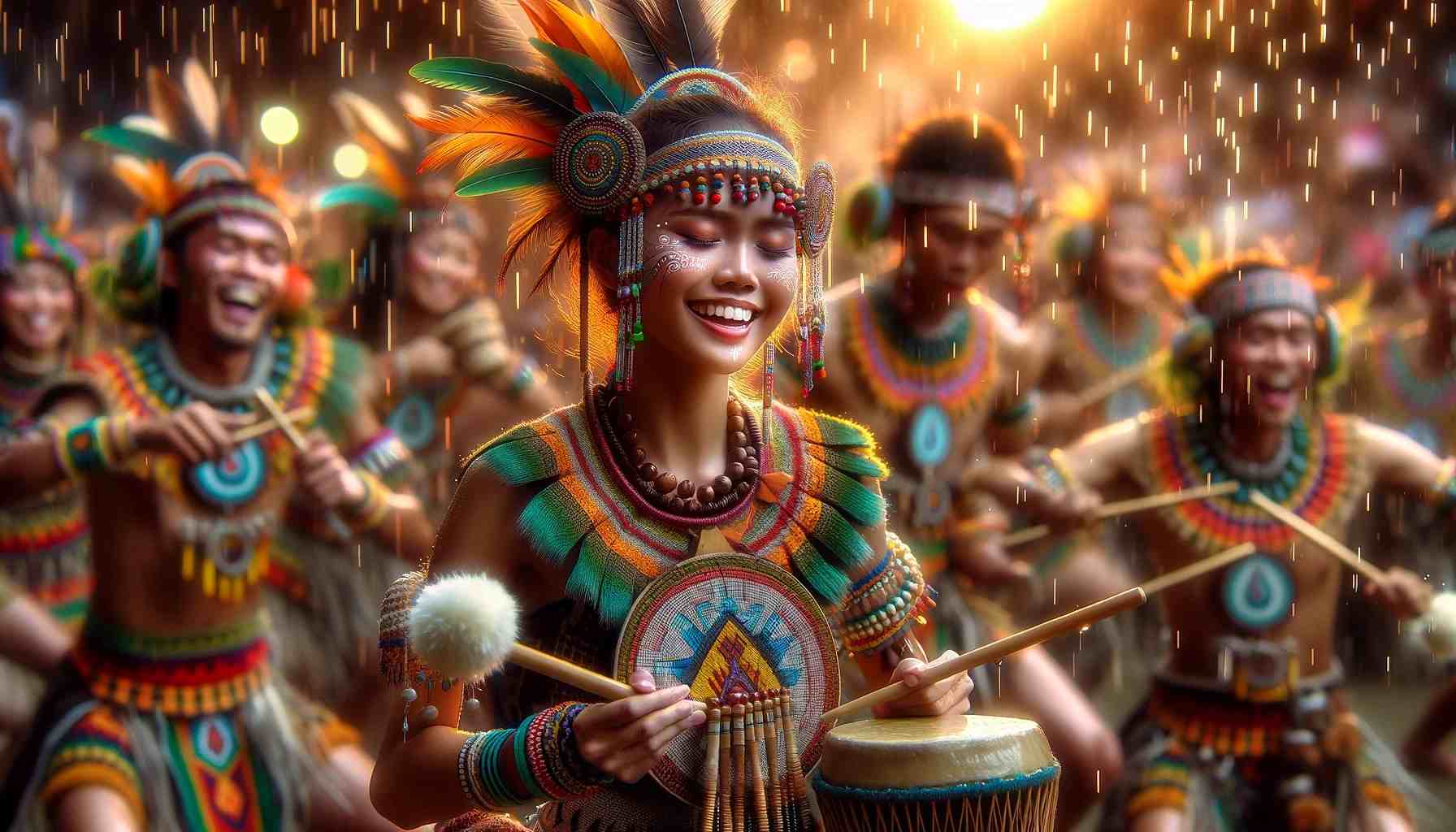
Pasig’s Rain Dance Festival: An Annual Attempt to Control the Weather
Local Tradition Meets Modern Spectacle
In the bustling city of Pasig, an annual tradition unlike any other takes center stage: the Rain Dance Festival. This colorful event, steeped in centuries-old tradition, has become a symbol of community unity and cultural heritage, as residents gather each year to dance in hopes of warding off impending rain showers. While skeptics may scoff at the idea of dance influencing the weather, for many Pasigueños, the festival is a cherished tradition that brings joy and camaraderie to their lives.
Embracing Tradition: The Origins of Rain Dancing
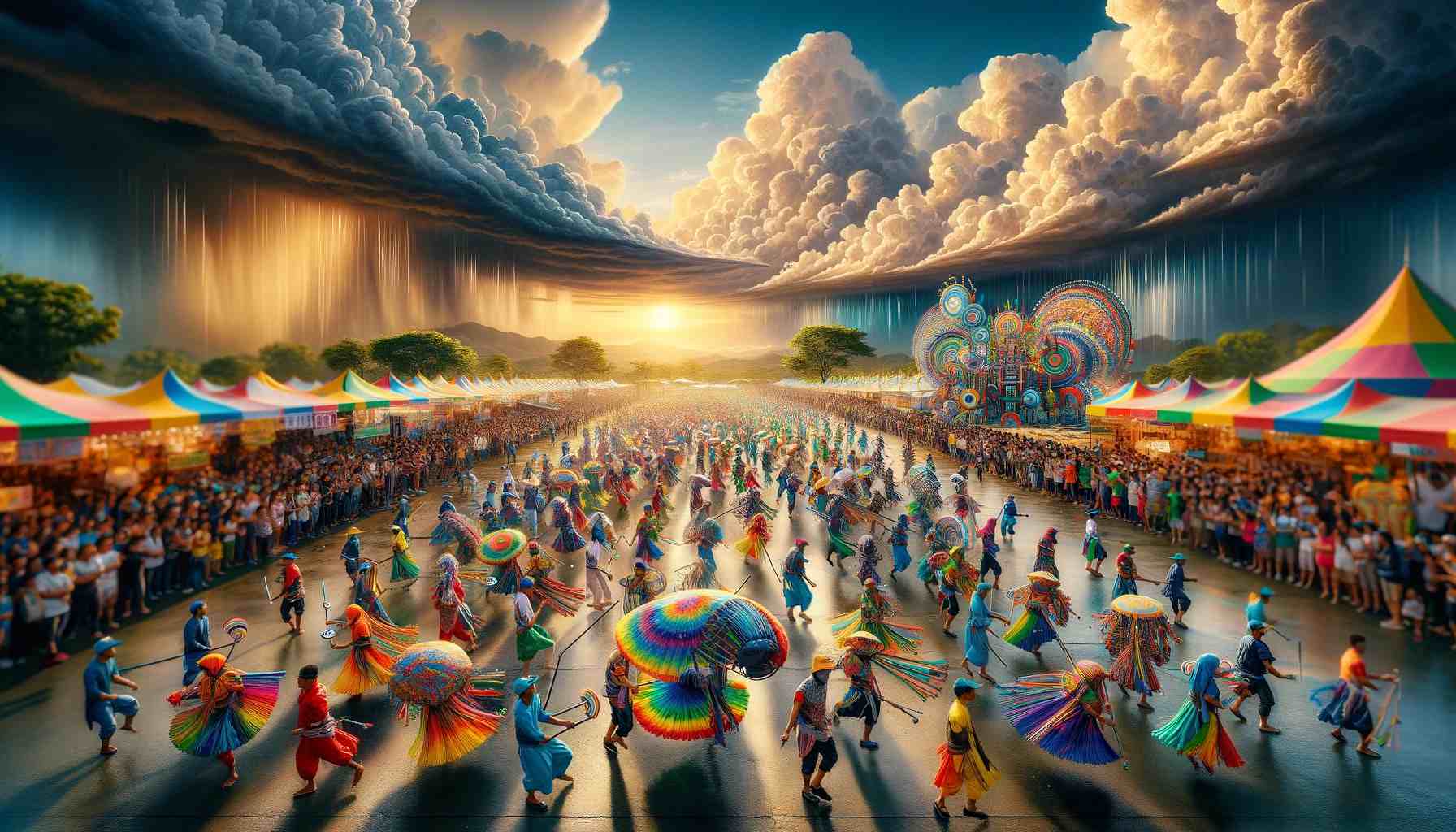
“I remember my grandparents telling stories of how our ancestors would perform rain dances during times of drought to pray for much-needed rainfall,” reminisces Lola Ines, a revered elder in the community. Her anecdote reflects the deep-rooted cultural significance of rain dancing in Pasig’s history.
Kapitan Juan, a respected leader in the barangay, shares a similar sentiment: “Rain dancing is part of our cultural heritage—it’s a way for us to connect with nature and express gratitude for the life-giving rains.” His words highlight the spiritual and communal aspects of the tradition.
Barangay Captain Teresa, overseeing the festival’s organization, adds, “The Rain Dance Festival is our way of preserving our ancestral traditions while also adapting to the modern world.” Her statement underscores the festival’s role in bridging the gap between past and present.
Innovative Approaches: Mixing Tradition with Technology
Event coordinator Kuya Jun reveals, “While the essence of rain dancing remains rooted in tradition, we’ve incorporated modern elements such as music, lights, and even drones to enhance the spectacle.” This blending of old and new reflects Pasig’s commitment to innovation while honoring its cultural heritage.
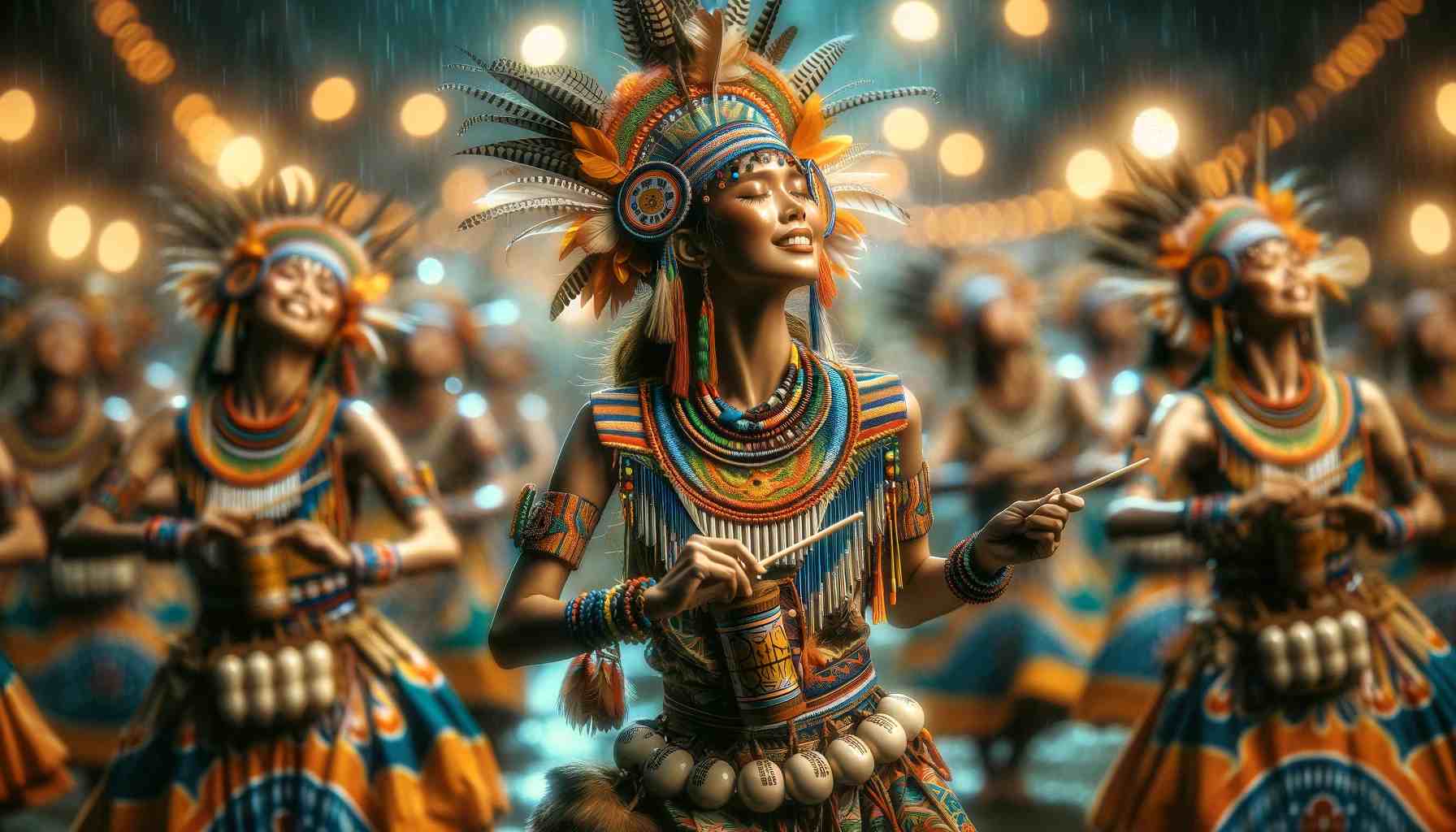
Kuya Jun further explains, “The use of technology allows us to reach a wider audience and create a more immersive experience for participants, bridging the gap between the old and the new.” His observation highlights the festival’s adaptability to contemporary trends.
Community Engagement: Dancing for a Cause
Barangay Kagawad Maria emphasizes, “The Rain Dance Festival isn’t just about having fun—it’s also about fostering unity and solidarity within the community.” Her sentiment underscores the festival’s role in strengthening social bonds among residents.
“Through the Rain Dance Festival, we’re able to raise awareness about environmental issues and the importance of water conservation,” adds Barangay Kagawad Maria, highlighting the festival’s broader impact on community education and advocacy.
Public Reception: From Skepticism to Celebration
Pedro, a resident who once harbored doubts about the festival’s efficacy, shares, “I used to be skeptical about the effectiveness of rain dancing, but after participating in the festival, I’ve come to appreciate its cultural significance and sense of community.” His transformation reflects the festival’s ability to inspire belief and participation among skeptics.
Ana, another resident, echoes Pedro’s sentiment: “The Rain Dance Festival is one of the highlights of the year for our barangay—it brings people together and uplifts spirits, rain or shine.” Her comment underscores the festival’s role in fostering community pride and solidarity.
Theoretical Perspectives: Exploring the Science of Rain Dancing
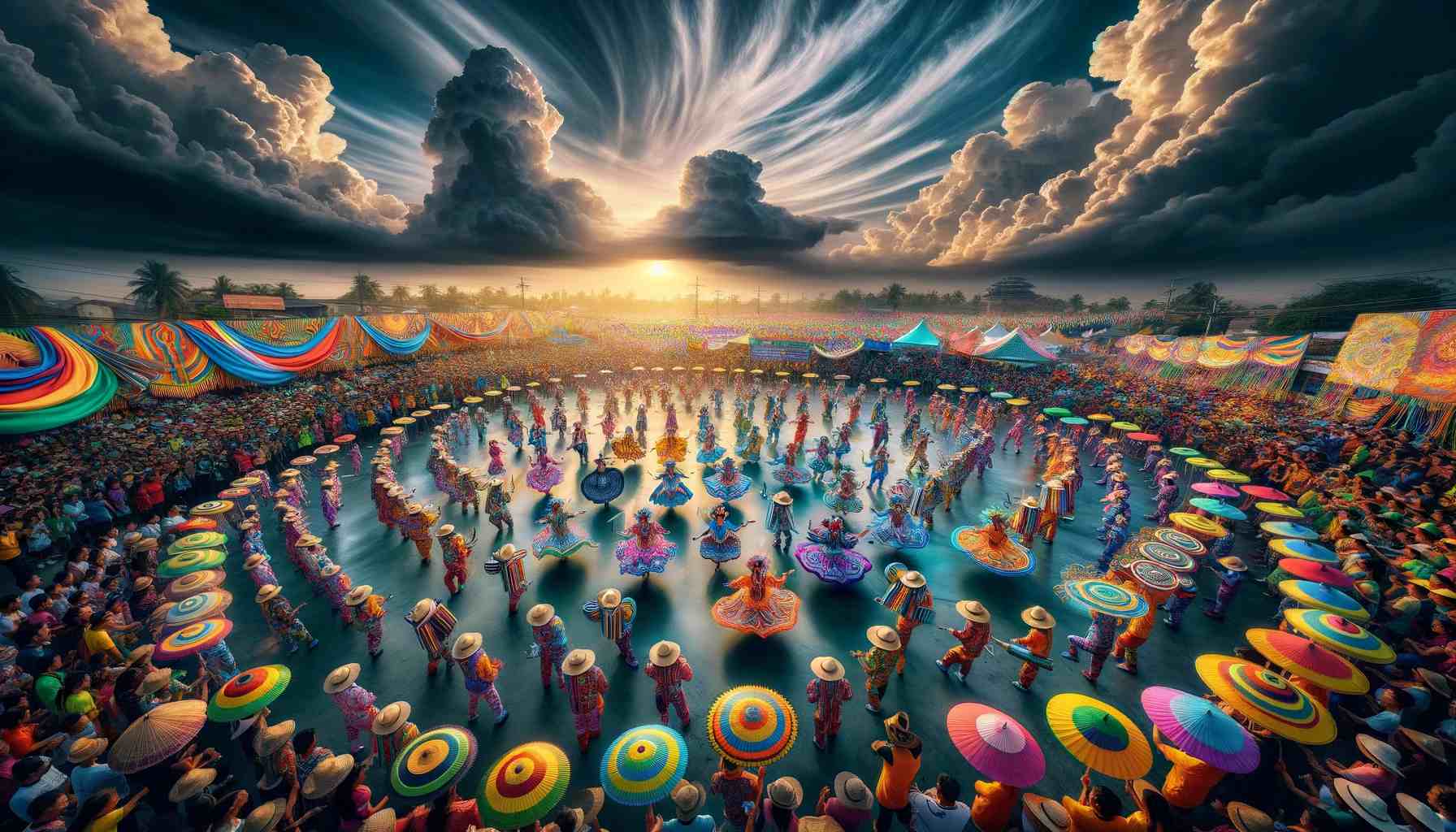
Dr. Rodriguez, a local psychologist, suggests, “While there may not be scientific evidence to support the idea that dancing can control the weather, the psychological benefits of communal activities like the Rain Dance Festival are well-documented.” His observation sheds light on the festival’s potential to promote mental well-being among participants.
“The act of coming together as a community to perform a shared ritual, such as rain dancing, can instill a sense of hope and empowerment among participants, regardless of its perceived efficacy,” adds Dr. Rodriguez. His insight highlights the psychological significance of collective rituals in fostering resilience and optimism.
Weather Forecast: Predicting the Unpredictable
Weather enthusiast Mark points out, “Whether or not the Rain Dance Festival has a tangible impact on the weather, it undeniably serves as a source of joy and community bonding for residents of Pasig City.” His observation underscores the festival’s value beyond its purported ability to control the weather.
“Whether it’s the power of dance or just sheer coincidence, Pasig City has experienced fewer rainy days during the Rain Dance Festival in recent years,” notes Mark. His observation, while anecdotal, hints at a potential correlation between the festival and weather patterns.
A Humorous Disclaimer: Dancing with the Elements
The portrayal of Pasig’s Rain Dance Festival as a means to control the weather is purely satirical and intended for entertainment purposes only. Any resemblance to actual events or practices is purely coincidental (or is it?). Readers are advised to approach the subject matter with a sense of humor and a healthy dose of skepticism. And remember, in the unlikely event of inclement weather, don’t forget to bring your dancing shoes.
Originally posted 2024-03-18 20:13:01.