
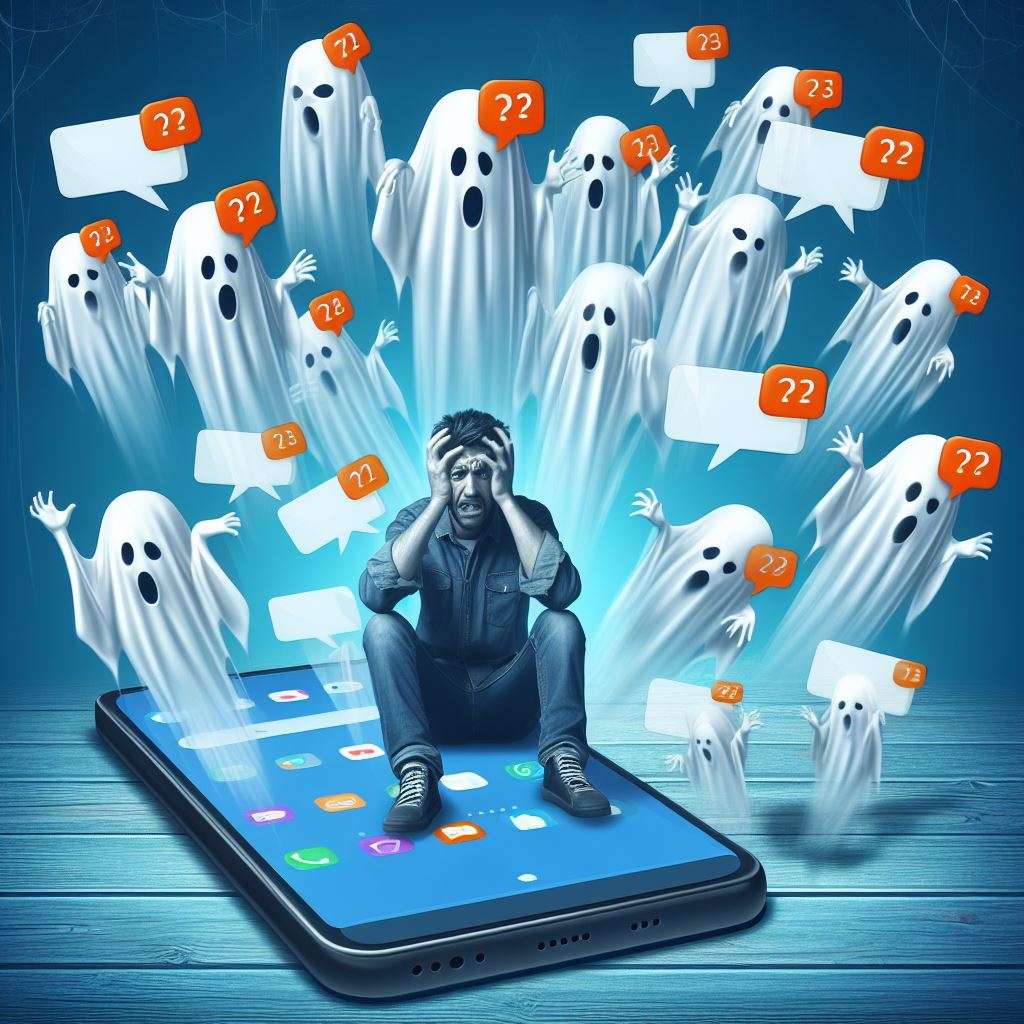
Haunted Apps Now Required for Spectral Sightings!
Manila’s Ghosts Go Digital: Haunted Apps Now Required for Spectral Sightings!
Buy Your App for Digital Ghost Sightings in Manila Today! Secure Your Digital Guide to Manila’s Ghosts: App Available!
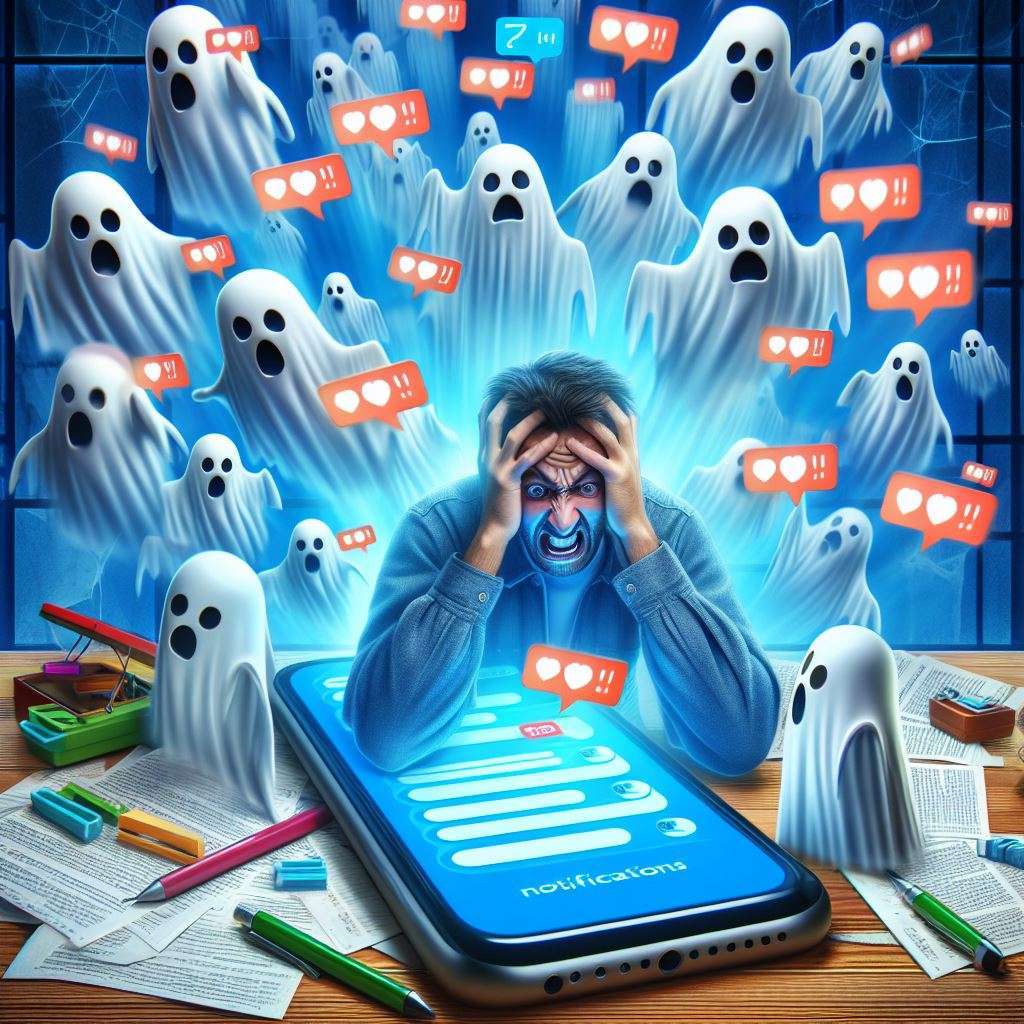
In a city where folklore and technology intersect, Manila’s residents are embracing a new way to interact with the paranormal: through haunted apps. With the rise of smartphones and augmented reality, ghostly sightings are no longer confined to dark alleys or abandoned buildings—they’re now just a tap away on your mobile device. But as the digital realm becomes increasingly haunted, some are questioning whether these spectral encounters are truly supernatural or just a clever marketing ploy.
Spectral Spam
Reports indicate that residents are receiving more ghostly notifications on their smartphones than actual text messages, leading many to question the reliability of their devices. “I used to think my phone was haunted,” says local resident Juan dela Cruz, “but now I’m starting to wonder if it’s just a glitchy app.” Experts suggest that the influx of spectral spam may be due to aggressive marketing tactics employed by app developers eager to capitalize on Manila’s fascination with the supernatural.
Poltergeist Pop-ups
Users of the haunted app have been complaining about incessant pop-ups offering discounts on ectoplasmic encounters. “I just wanted to check out a haunted house,” says one frustrated user, “but now I’m being bombarded with ads for ghostly getaways.” Analysts speculate that the surge in pop-up ads is part of a larger strategy to monetize the spectral economy, with app developers hoping to cash in on users’ fear of missing out on ghostly bargains.
Ghostly Gamification
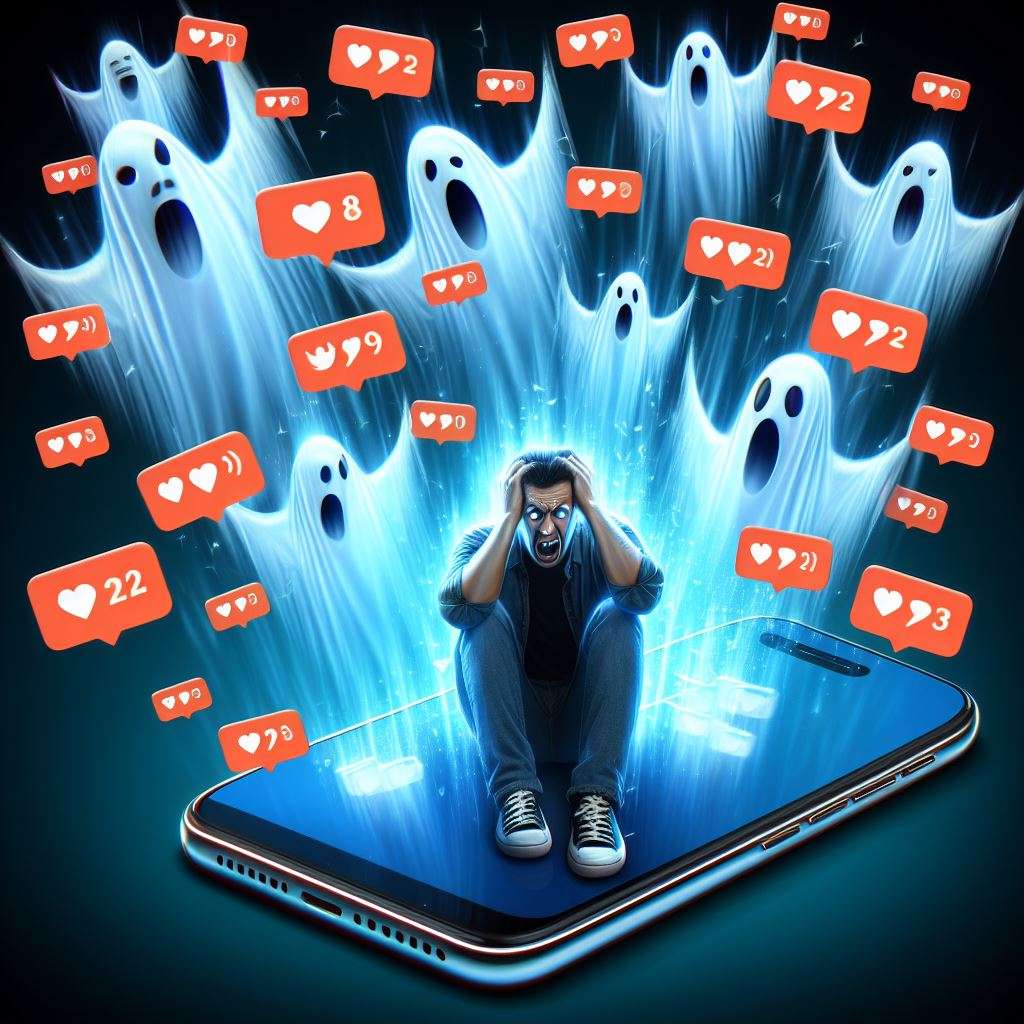
With the introduction of augmented reality features, residents find themselves competing to catch the most ghosts on their smartphones. “It’s like Pokémon GO, but with poltergeists,” says avid gamer Maria Santos. Some have even taken to organizing ghost-hunting tournaments, complete with cash prizes for the most prolific ghost hunters. Critics argue that turning spectral sightings into a digital sport trivializes the supernatural and diminishes the gravity of genuine paranormal experiences.
Paranormal Profiles
Ghosts in Manila now have their own social media profiles, complete with likes, dislikes, and haunting preferences. “I never thought I’d see the day when ghosts had Instagram accounts,” says social media influencer Diego Cruz. Some tech-savvy specters have even amassed a following, with fans eagerly awaiting their next spectral selfie or haunted hotspot recommendation. Critics warn that the commodification of ghosts may lead to a loss of reverence for the supernatural and further blur the line between reality and fiction.
Spiritual Subscriptions
Residents joke that the only thing scarier than encountering a ghost is being locked into a monthly subscription for ghost sightings. “I signed up for a free trial,” says skeptical user Carla Reyes, “but now I can’t cancel my subscription without invoking the wrath of the undead.” Analysts attribute the proliferation of subscription-based models to the desire for recurring revenue streams in the competitive app market, with developers hoping to capitalize on users’ fear of missing out on exclusive ghostly content.
Cryptic Cryptocurrency
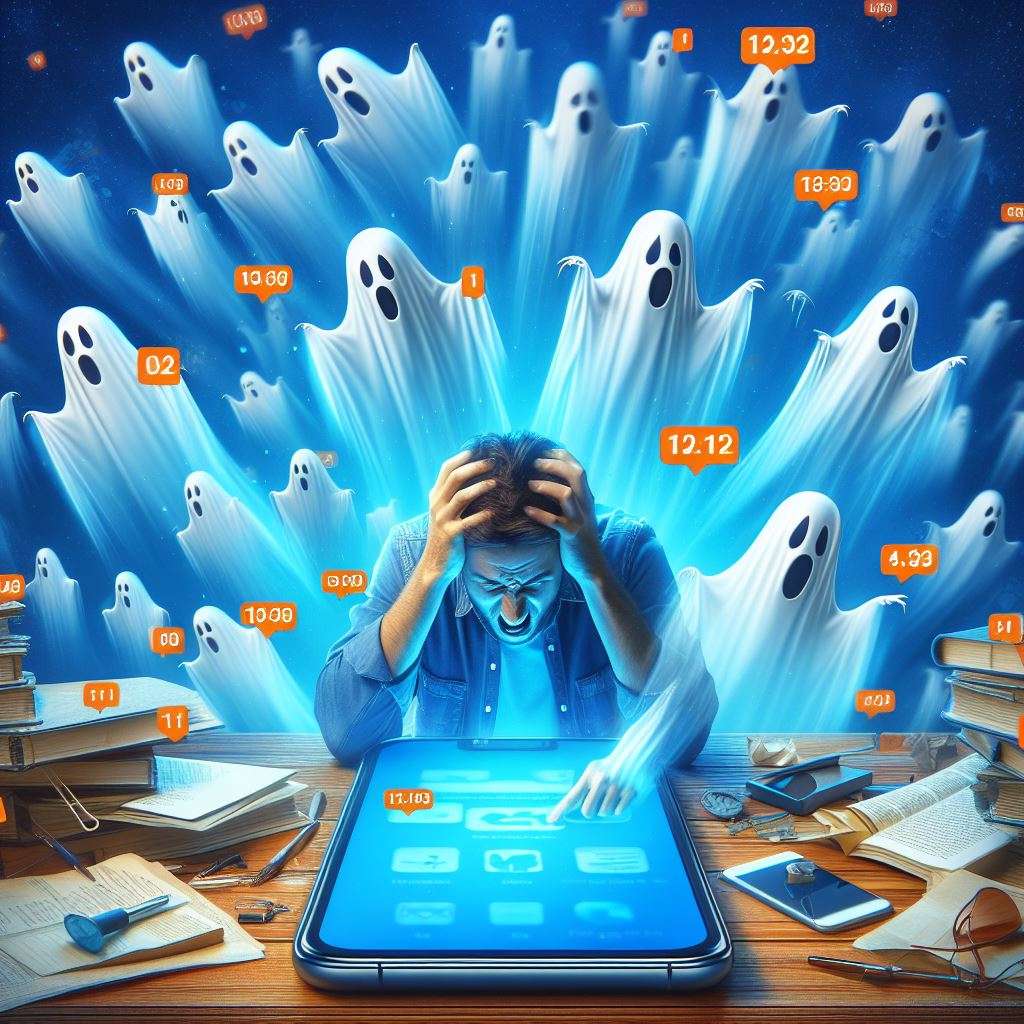
Rumors swirl about a new form of digital currency, “Boo-coins,” used exclusively in the spectral economy for purchasing ghostly goods and services. “I invested all my savings in Boo-coins,” says amateur crypto enthusiast Miguel Gomez, “but now I’m starting to wonder if it’s all just a ghostly Ponzi scheme.” While some see Boo-coins as a novel way to incentivize ghostly encounters, others warn of the potential for financial exploitation and regulatory scrutiny in the unregulated world of the paranormal.
Haunted Hotspots
Users of the haunted app flock to designated “haunted hotspots” in Manila, turning once quiet neighborhoods into bustling hubs of paranormal activity. “I used to enjoy a peaceful stroll in the park,” says concerned resident Sofia Lim, “but now I can’t go anywhere without bumping into a ghost hunter.” Local businesses have begun capitalizing on the trend, offering ghost-themed tours and haunted house rentals to eager thrill-seekers. Critics argue that the commercialization of haunted hotspots trivializes the experiences of those who have genuinely encountered the supernatural and exploits the cultural heritage of Manila’s ghostly past.
Ghosts for Hire
Entrepreneurial spirits offer their haunting services on freelance platforms, with rates varying depending on the level of spectral activity desired. “I never thought I’d see the day when ghosts had LinkedIn profiles,” says freelance writer Javier Reyes. Some homeowners have even taken to hiring ghosts to spook unwanted guests or drive down property prices in gentrifying neighborhoods. Critics decry the commodification of haunting experiences and warn of the potential for exploitation in the burgeoning gig economy of the afterlife.
Ectoplasmic Reviews
Users leave reviews of their ghostly encounters on the app, with ratings for scare factor, ghostly appearance, and overall haunting ambiance. “I give this ghost two thumbs up,” says satisfied customer Rosa Garcia, “but deducting one star for lack of originality.” While some see ectoplasmic reviews as a valuable source of feedback for both spectral entities and app developers, others question the reliability of user-generated content in the subjective realm of the paranormal.
Ghoulish Geo-tagging
Ghosts now come with their own geo-tags, allowing users to track their movements in real-time and avoid unwanted spectral encounters. “I never leave home without checking the ghost map,” says cautious commuter Jose Hernandez. While some see ghoulish geo-tagging as a practical solution to the problem of ghostly encounters, others worry about the potential for privacy violations and the erosion of personal autonomy in the digital age.
Spectral Selfies
Locals share selfies with ghostly apparitions on social media, with captions like “Just chilling with my new boo” and “Who you gonna call? Ghostfies!” turning haunted encounters into viral sensations. “I never thought I’d see the day when ghosts had better selfie game than me,” says aspiring influencer Andrea Reyes. While some see spectral selfies as a harmless form of self-expression, others worry about the trivialization of the supernatural and the potential for cultural appropriation in the digital realm.
Ghostbusters 2.0
With the rise of digital ghost sightings, traditional ghostbusters find themselves out of a job. “I used to catch ghosts with a proton pack,” says unemployed paranormal investigator Juanito Cruz, “but now I just catch them with my smartphone.” While some see the transition to digital ghost hunting as a natural evolution of the field, others worry about the loss of expertise and the erosion of traditional knowledge in the face of technological disruption.
Ghostly GPS
Navigation apps now offer ghostly directions, with users guided by spectral voices saying things like “Turn left at the haunted mansion” and “Your destination is on the other side of the veil.” “I never thought I’d need a ghostly GPS to find my way around Manila,” says bewildered tourist Anna Martinez. While some see ghostly GPS as a fun novelty, others worry about the potential for distraction and the dangers of relying too heavily on technology in unfamiliar environments.
Phantom Phishing
Reports surface of scammers using ghostly apps to lure unsuspecting users into downloading malware disguised as haunted encounters. “I thought I was catching ghosts,” says victimized user Pedro Santos, “but it turns out I was just catching viruses.” While some see phantom phishing as a humorous prank, others worry about the potential for financial loss and identity theft in the unregulated world of digital ghost hunting.
The Ghost in the Machine
As more residents rely on haunted apps for their spectral sightings, experts warn of the dangers of becoming too dependent on technology. “I used to think ghosts were scary,” says concerned parent Maria dela Cruz, “but now I’m starting to worry about the real monsters: algorithms and data breaches.” While some see the digitalization of ghost sightings as a harmless form of entertainment, others worry about the erosion of human connection and the loss of genuine experiences in the virtual realm.
Disclaimer: The views expressed in this article are purely satirical and for entertainment purposes only. Any resemblance to actual events or persons, living or dead, is purely coincidental. Readers are advised to approach all ghostly encounters with a healthy dose of skepticism and a fully charged smartphone. Remember, just because it’s digital doesn’t mean it’s not spooky!
Originally posted 2024-03-18 20:13:08.