
Fashion Innovation Amidst Urban Chaos
Dress Made Entirely of Manila Traffic Tickets: The Chic Side of Gridlock
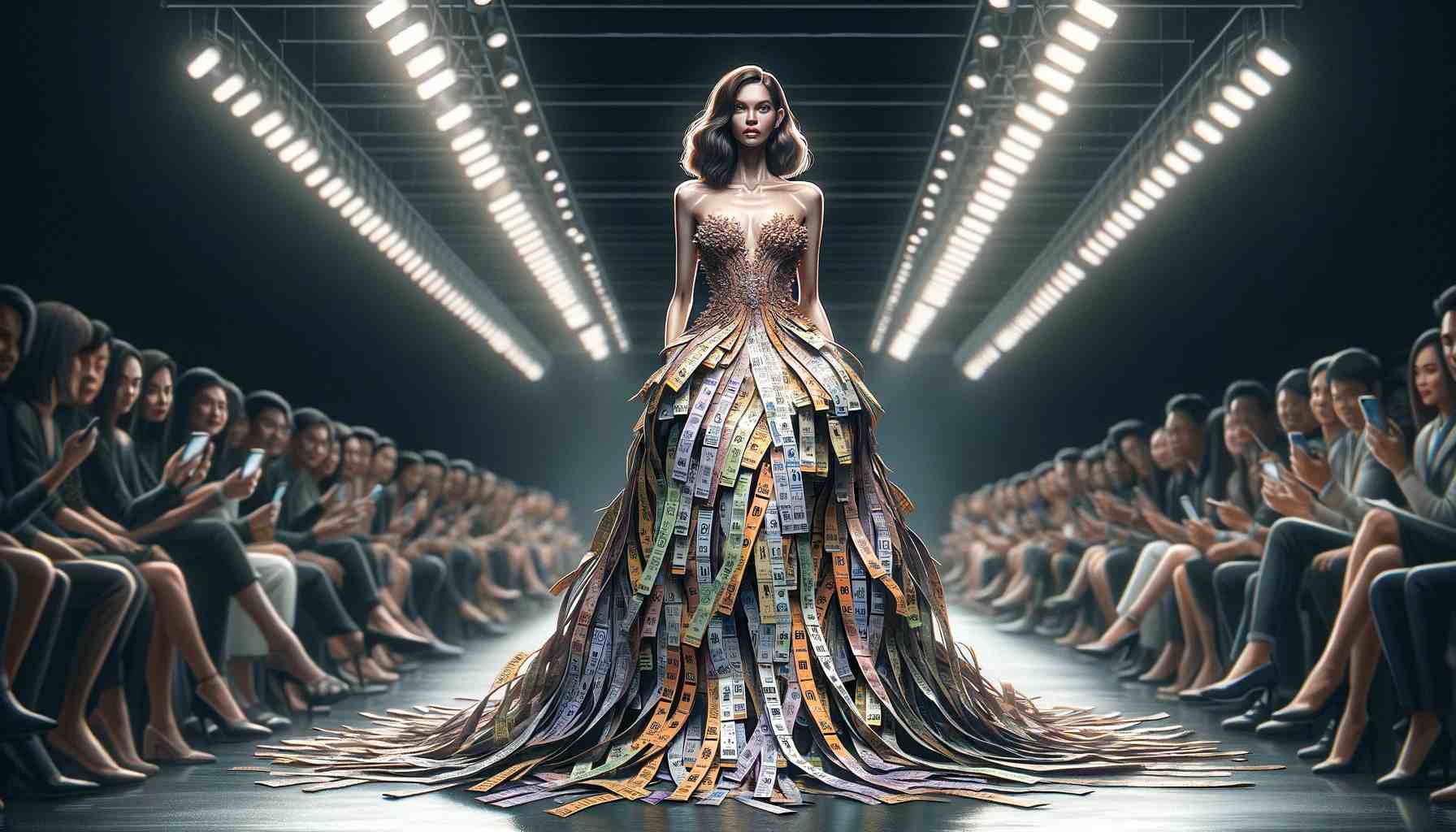
In the heart of Manila, where the city’s pulse beats with the rhythm of traffic and urban life, a new trend has emerged from an unexpected source: traffic tickets. At a recent fashion event that showcased the ingenuity of local designers, one creation stood out among the rest—a dress made entirely of Manila traffic tickets. This groundbreaking garment has captivated the attention of fashion enthusiasts and urban dwellers alike, sparking a conversation about sustainability, creativity, and the intersection of art and everyday life.
Unveiling the Traffic Ticket Dress

The dress made its debut at a high-profile fashion event held in Manila’s bustling city center. As models strutted down the runway in the latest couture designs, all eyes were drawn to the unique creation crafted from hundreds of recycled traffic tickets. The dress, with its intricate pleats and folds, showcased the designer’s ability to transform ordinary materials into extraordinary fashion statements. Attendees marveled at the dress’s striking appearance and the message it conveyed about the city’s traffic woes.
Inspiration Amidst Gridlock
The designer behind the traffic ticket dress drew inspiration from the chaotic streets of Manila, where traffic congestion is a daily reality. Each ticket used in the dress represents a moment of frustration for motorists navigating the city’s busy detailedfares. By repurposing these tickets into wearable art, the designer sought to highlight the resilience and creativity of Manila’s residents in the face of urban challenges. The dress serves as a metaphor for the city’s ability to find beauty amidst chaos and turn adversity into opportunity.
Turning Frustration Into Fashion

The dress’s unveiling coincided with ongoing efforts by local authorities to address traffic congestion in Manila. As policymakers grapple with solutions to improve traffic flow and reduce gridlock, the traffic ticket dress serves as a poignant reminder of the city’s transportation challenges. Through its innovative design, the dress sparks conversations about sustainability and the need for creative solutions to urban problems. It challenges traditional notions of fashion and encourages viewers to rethink their relationship with the urban environment.
Reactions and Reflections
Critics and fashion enthusiasts alike have praised the traffic ticket dress for its boldness and originality. Some have hailed it as a symbol of Manila’s resilience, while others see it as a commentary on consumerism and waste. One attendee remarked, “Who knew traffic tickets could be so fashionable?” The dress’s debut has sparked discussions on social media, with many users applauding its message and craftsmanship. The dress has become a symbol of urban creativity and resourcefulness, garnering attention both locally and internationally.
Beyond Fashion: A Statement on Waste and Consumption

The traffic ticket dress not only challenges conventional notions of fashion but also raises important questions about waste and consumption. In a city where traffic tickets are a common sight, the dress serves as a reminder of the environmental impact of everyday actions. By repurposing discarded tickets into wearable art, the designer encourages us to rethink our relationship with material goods and consider more sustainable alternatives. The dress challenges viewers to reflect on their own consumption habits and consider the broader implications of their actions on the environment.
Looking Ahead
As the traffic ticket dress continues to make waves in the fashion world, its message resonates far beyond the runway. It serves as a reminder that beauty can emerge from unexpected places and that creativity knows no bounds. As Manila grapples with its urban challenges, perhaps the traffic ticket dress will inspire new ideas and solutions for creating a more sustainable and vibrant city. It challenges viewers to consider the potential for creativity and innovation to address pressing urban issues, offering hope for a more sustainable and resilient future.
Disclaimer: The portrayal of the dress made of Manila traffic tickets in this article is intended to be satirical and humorous. While the concept of the dress is fictional, the observations and reactions described in the article are exaggerated for comedic effect. Readers are encouraged to approach the content with a sense of humor and an appreciation for the whimsical.
Originally posted 2024-03-18 20:13:02.