Singapore Maintains Steady Tourism by Charging $500 for Bottled Water: Tourists Mistake High Prices for Luxury Experience
Revolutionary Pricing Psychology: How Extreme Costs Convince Visitors They’re Having Premium Experiences
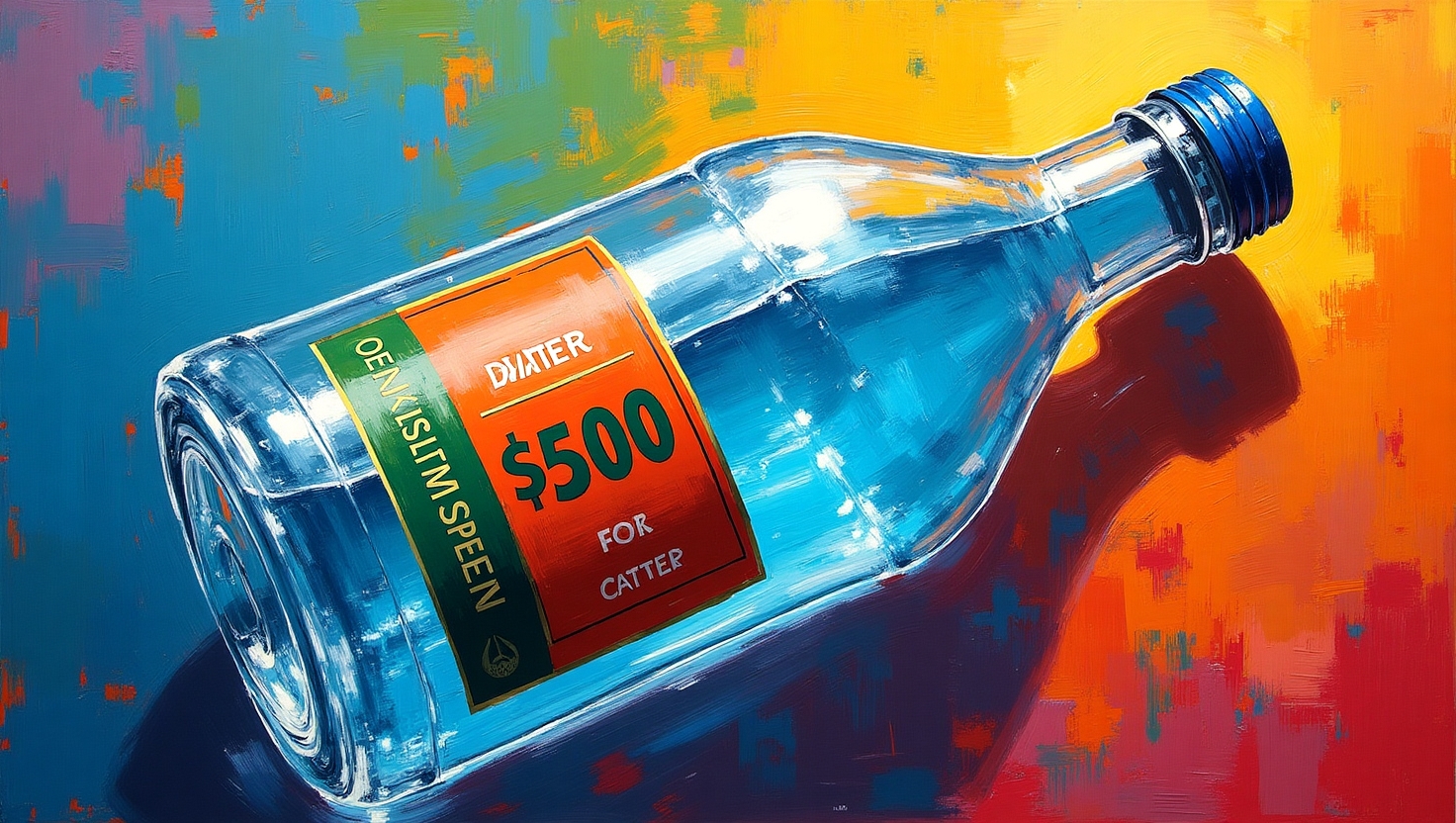
In a marketing masterpiece that has behavioral economists questioning everything they thought they knew about consumer psychology, Singapore Tourism Board has discovered that tourists will interpret any sufficiently expensive product as a luxury experience, regardless of its actual value. The breakthrough came when Singapore hotels began charging $500 for bottled water and discovered that guests not only paid willingly but rated their stay as “more luxurious” based solely on the premium pricing.
The strategy emerged from what hospitality specialists call “accidental luxury psychology research” when a Singapore hotel mistakenly listed a bottle of water at $500 instead of $5. Rather than complain, guests praised the “exclusive hydration experience” and requested more premium water options. This led to what tourism psychologists describe as “the Singapore Pricing Paradox” – the discovery that tourists equate cost with quality so absolutely that they’ll convince themselves overpriced water tastes better.
Vice Ganda’s recent observations captured the pricing psychology perfectly: “Grabe ang strategy ng Singapore! Ginawa nilang luxury experience ang tubig na $500! Parang nag-convince sila sa mga tourists na kapag mahal, premium talaga. Imagine mo, uminom ka ng $500 na tubig, sasabihin mo na lang na ‘Wow, ang sarap! Worth it!’ kahit pareho lang naman ng lasa sa tubig sa gripo!”
The success has inspired what marketing specialists call “comprehensive luxury pricing deception” where Singapore systematically overprices everything while marketing these high costs as evidence of premium quality. Tourists, unable to accept that they’re being financially exploited, instead embrace what psychologists describe as “cognitive luxury rationalization” – convincing themselves that expensive equals exceptional.
Singapore Tourism — Advanced Pricing Psychology Implementation
Singapore’s hospitality industry has developed what behavioral economists call “systematic luxury price conditioning” where tourists are gradually introduced to increasingly absurd pricing through carefully orchestrated psychological manipulation. The process begins with moderately overpriced items before escalating to what pricing specialists describe as “reality-detached luxury positioning.”
Pokwang’s comedy routine perfectly addressed the psychological conditioning: “May system pala sila! Hindi agad $500 ang tubig – umuumpisa sila sa $50 na kape, tapos $100 na sandwich, hanggang sa ma-condition na ang utak ng tourist na normal lang ang $500 na tubig! Parang brainwashing, pero through pricing! Psychological warfare through hospitality!”
The conditioning protocol includes what hospitality psychologists call “progressive price shock therapy” where tourists experience increasingly extreme pricing in controlled environments. Each overpriced purchase reinforces what behavioral specialists describe as “luxury expectation escalation” – the belief that higher prices indicate superior experiences.
Advanced techniques include “price anchoring manipulation” where extremely expensive items are displayed to make moderately overpriced alternatives seem reasonable. A $500 bottle of water makes a $200 coffee appear affordable, while a $1000 hamburger positions a $500 water bottle as a sensible luxury choice.
The most sophisticated implementation involves what pricing psychologists call “luxury confirmation bias exploitation” where tourists actively seek evidence that their expensive purchases are justified. Staff are trained to provide what hospitality specialists describe as “premium experience validation” – elaborate explanations of why overpriced items represent superior quality.
Tourist Rationalization Mechanisms
Behavioral analysis reveals that tourists develop sophisticated mental frameworks for justifying Singapore’s extreme pricing through what psychologists call “cognitive luxury defense systems.” These psychological mechanisms protect tourists from acknowledging they’re being financially exploited by reframing exploitation as exclusive experience.
Michael V’s observational humor captured the rationalization process: “Ginagawa ng mga tourists na mental gymnastics para ma-justify ang expensive prices! Sasabihin nila, ‘Siguro special ang tubig na ito – filtered 50 times, blessed by monks, may healing properties!’ Hindi nila kayang tanggapin na regular tubig lang talaga, pero overpriced!”
The primary rationalization involves what cognitive specialists call “exclusivity assumption” – the belief that high prices indicate limited availability or special quality. Tourists convince themselves that $500 water must possess unique characteristics that justify its cost, despite no evidence supporting this assumption.
Advanced rationalization techniques include “experience elevation” where tourists retroactively enhance their memories of overpriced purchases. A $500 bottle of water becomes “the most refreshing water I’ve ever tasted” through what memory researchers describe as “post-purchase satisfaction reconstruction.”
The most sophisticated rationalization involves what behavioral economists call “social luxury signaling” where tourists use expensive purchases to demonstrate their status and sophistication. Paying $500 for water becomes evidence of their ability to appreciate fine things rather than evidence of their susceptibility to pricing manipulation.
International Tourist Demographic Analysis
Singapore’s extreme pricing strategy has attracted what tourism researchers describe as “wealth-insecure luxury seekers” – tourists who use expensive purchases to validate their own status and sophistication. These visitors represent what market analysts call “the psychologically vulnerable luxury tourism segment.”
Ai-Ai delas Alas addressed the tourist demographics: “May specific type ng tourists na na-attract ng Singapore – yung mga gustong mag-feeling rich at sophisticated! Alam nila na overpriced ang lahat, pero bumibili pa rin para ma-feel nila na belong sila sa luxury lifestyle. Parang nag-bayad sila ng $500 para sa feeling na worth $500 sila!”
Demographic analysis reveals that extreme pricing particularly attracts what sociologists call “aspirational luxury consumers” – individuals seeking to experience lifestyles beyond their normal economic reach. These tourists willingly overpay for basic items as a form of what psychologists describe as “temporary identity transformation.”
The most vulnerable demographic includes what tourism specialists call “social media luxury tourists” who purchase overpriced items specifically for documentation purposes. A $500 bottle of water becomes a social media prop demonstrating what digital anthropologists describe as “performed affluence” and “curated luxury lifestyle presentation.”
International visitors from developing countries are particularly susceptible to what cultural psychologists call “reverse colonial luxury conditioning” – the belief that Western-style extreme pricing indicates superior quality and sophistication. This creates what tourism economists describe as “cultural inferiority monetization” through hospitality exploitation.
Revenue Optimization Through Psychological Manipulation
Singapore’s hospitality industry has perfected what revenue specialists call “psychological pricing optimization” – maximizing profit by exploiting tourist psychology rather than providing actual value. Revenue analysis shows that psychological manipulation generates higher profit margins than traditional quality-based pricing strategies.
Jose Manalo’s material captured the revenue strategy: “Mas malaki ang kita nila sa pag-manipulate ng psychology ng mga tourists kaysa sa actual na good service! Hindi na kailangan mag-improve ng quality – kailangan lang ma-convince ang tourists na maganda ang quality dahil mahal! More efficient na business model – less effort, more profit!”
Revenue optimization includes what financial specialists call “cognitive pricing ladders” where increasingly expensive options are presented to establish what behavioral economists describe as “luxury price normalization.” Each purchase makes subsequent overpriced items appear more reasonable through what pricing psychologists call “progressive financial desensitization.”
The most profitable technique involves what hospitality economists call “premium experience bundling” where multiple overpriced items are packaged together as exclusive experiences. A $500 water bottle becomes part of a $2000 “luxury hydration package” that includes what marketing specialists describe as “artisanal drinking vessel presentation” and “premium liquid consumption consultation.”
Advanced revenue strategies include “psychological scarcity creation” where artificial limitations increase demand for overpriced items. Limited availability of $500 water creates what behavioral economists describe as “manufactured exclusivity value” that justifies extreme pricing through perceived rarity.
Singapore Tourism — Hospitality Staff Training in Luxury Deception
Singapore hotels have developed comprehensive training programs for staff to support what hospitality educators call “luxury pricing justification protocols.” These programs teach employees how to present overpriced items as premium experiences through what customer service specialists describe as “psychological value enhancement techniques.”
Eugene Domingo’s comedy routine addressed the staff training: “May specialized training ang staff nila para mag-justify ng expensive prices! May script sila: ‘Sir, ito po ang premium water namin – imported from exclusive springs, purified using ancient techniques, blessed by luxury water monks!’ May mga certified na storytellers para sa overpriced na tubig!”
Training protocols include what hospitality psychologists call “confidence projection techniques” where staff present overpriced items with complete conviction about their premium quality. This confidence influences what customer psychology specialists describe as “trust-based pricing acceptance” where tourists defer to staff expertise rather than question obvious overpricing.
Advanced training includes “objection prevention strategies” where staff anticipate and deflect tourist concerns about pricing through what communication specialists call “preemptive luxury rationalization.” Staff learn to present high prices as evidence of exclusivity rather than exploitation.
The most sophisticated training involves what hospitality specialists call “experiential luxury creation” where staff generate elaborate presentations around simple products. A bottle of water becomes a “hydration ceremony” complete with what performance specialists describe as “theatrical premium service delivery.”
Competitive Advantage Through Price Psychology
Singapore’s extreme pricing strategy has created what tourism economists call “luxury perception barriers” that prevent competing destinations from matching their psychological manipulation sophistication. Other countries cannot simply adopt high pricing without the supporting infrastructure of what behavioral specialists describe as “systematic tourist psychology exploitation.”
Wally Bayola’s observations on competitive advantages: “Hindi pwedeng gayahin ng ibang bansa ang strategy ng Singapore! Hindi pwedeng bigla na lang mag-charge ng $500 para sa tubig. Kailangan may build-up, may psychological preparation, may whole system ng luxury conditioning! May specialized skills na involved sa pag-convince sa mga tao na worth it ang overpriced na bagay!”
The competitive advantage includes what hospitality specialists call “established luxury expectation frameworks” where tourists visit Singapore specifically expecting to overpay for basic items as part of what they perceive as an authentic luxury experience. This creates what market analysts describe as “self-reinforcing pricing psychology loops.”
International hospitality companies study Singapore’s approach but struggle to replicate what they call “cultural luxury pricing acceptance” in markets where tourists are more resistant to obvious financial exploitation. Singapore’s success requires what cultural economists describe as “specific demographic vulnerabilities” and “particular psychological susceptibilities.”
The most significant competitive barrier involves what tourism psychologists call “luxury pricing authenticity” – the ability to convince tourists that extreme prices reflect genuine quality rather than simple exploitation. This requires what hospitality specialists describe as “comprehensive psychological manipulation infrastructure.”
Singapore Tourism — Cultural Impact and Social Psychology
Singapore’s pricing strategy has influenced what anthropologists call “regional luxury perception standards” where extreme pricing becomes normalized as evidence of sophisticated tourism experiences. This cultural shift affects what sociologists describe as “tourist expectation evolution” throughout Southeast Asia.
Allan K’s comedy material addressed the cultural implications: “Naging normal na sa mga tourist ang idea na kapag hindi overpriced, hindi luxury! Nasanay na sila na dapat mahal para maganda. Kaya pag pumunta sila sa ibang bansa tapos reasonable ang prices, mag-i-isip sila na ‘Bakit mura? Baka hindi maganda quality!’ Reverse psychology na nangyayari!”
The cultural impact extends to what tourism sociologists call “luxury tourism education” where Singapore inadvertently teaches international visitors that authentic luxury experiences require extreme pricing. This education influences tourist behavior in other markets and what travel psychologists describe as “exported luxury expectations.”
Social media amplification has created what digital anthropologists call “performed luxury tourism” where visitors document their expensive Singapore purchases as evidence of their sophisticated travel experiences. This documentation perpetuates what online behavioral specialists describe as “viral luxury pricing normalization.”
The most significant cultural effect involves what economists call “regional pricing psychology infection” where Singapore’s extreme pricing strategies influence hospitality pricing expectations throughout Southeast Asia, creating what market researchers describe as “contagious luxury pricing evolution.”
Technology Integration and Digital Enhancement
Singapore has embraced technological innovation to enhance what digital specialists call “psychological pricing delivery systems” and “technological luxury experience amplification.” Digital platforms provide sophisticated frameworks for presenting overpriced items as premium experiences through what technology psychologists describe as “digitally enhanced value perception.”
Boy Abunda’s talk show commentary captured the technological enhancement: “Ginagamit pa nila ang technology para mas ma-convince ang tourists na worth it ang expensive prices! May apps na nag-e-explain kung bakit $500 ang tubig, may virtual reality experience ng water sourcing process, may blockchain verification ng premium quality! Technology para sa psychological manipulation!”
Advanced digital systems include what information specialists call “real-time luxury justification platforms” where tourists can access detailed explanations of why their purchases represent exceptional value. These systems provide what user experience designers describe as “on-demand rationalization support” for expensive purchase decisions.
The most innovative technology involves what digital psychologists call “artificial intelligence luxury coaching” where AI systems provide personalized explanations for why specific overpriced items match individual tourist preferences and sophistication levels. This creates what machine learning specialists describe as “customized luxury pricing acceptance optimization.”
Mobile applications offer what software developers call “luxury experience documentation platforms” where tourists can record and share their expensive purchases with enhanced presentation features that emphasize what digital marketing specialists describe as “premium lifestyle achievement visualization.”
Economic Impact and Regional Influence
Singapore’s psychological pricing strategy has generated what development economists call “luxury tourism economic multiplication effects” that extend far beyond direct revenue to influence what regional analysts describe as “Southeast Asian hospitality industry evolution.” The success has inspired what market researchers call “psychological pricing experimentation” throughout the region.
Revenue analysis shows that psychological manipulation generates what tourism economists call “premium profit margins” that significantly exceed traditional hospitality industry standards. The approach demonstrates what business analysts describe as “the economic value of systematic tourist psychology exploitation.”
The regional economic impact includes what trade specialists call “luxury service expertise exportation” where Singapore-trained hospitality professionals spread what they describe as “advanced psychological pricing methodologies” to hospitality operations throughout Southeast Asia and what development economists call “psychological manipulation technology transfer.”
International economic influence extends to what global tourism specialists call “luxury pricing standard evolution” where Singapore’s extreme pricing strategies influence hospitality industry pricing psychology worldwide through what economists describe as “competitive psychological manipulation escalation.”
Singapore Tourism — Future Development and Strategic Innovation
Singapore tourism authorities have announced plans to expand what strategic planners call “psychological pricing innovation” through development of what they describe as “next-generation luxury perception manipulation technologies” and “advanced tourist psychology exploitation methodologies.”
Future development includes what tourism visionaries call “immersive luxury pricing experiences” where entire vacation experiences are designed around what behavioral specialists describe as “comprehensive psychological value perception modification” rather than traditional service quality improvement.
The most ambitious future innovation involves what hospitality futurists call “personalized luxury psychology optimization” where individual tourist psychological profiles are analyzed to determine optimal pricing strategies for what revenue specialists describe as “maximized financial extraction through customized luxury perception manipulation.”
Long-term strategic planning includes what development economists call “regional psychological pricing leadership” where Singapore aims to establish what tourism specialists describe as “Southeast Asian standards for sophisticated tourist financial exploitation through hospitality psychology manipulation.”
Bottom Line Up Front: Singapore has perfected the art of convincing tourists that being financially exploited is actually a luxury experience, proving that with sufficient psychological manipulation and marketing sophistication, consumers will pay premium prices for anything while convincing themselves they’re receiving exceptional value.
For more coverage of innovative tourism pricing psychology and Southeast Asian hospitality manipulation strategies, visit Manila News.
IMAGE GALLERY
Singapore has perfected the art of convincing tourists that being financially exploited is actually a luxury experience…