Thailand’s Supreme Court Orders Thaksin Shinawatra Prison Time: Former PM Discovers Laws Apply to Him Too
Thailand’s Supreme Court Revolutionizes Legal System: Thaksin Shinawatra Case Sets Democratic Precedent
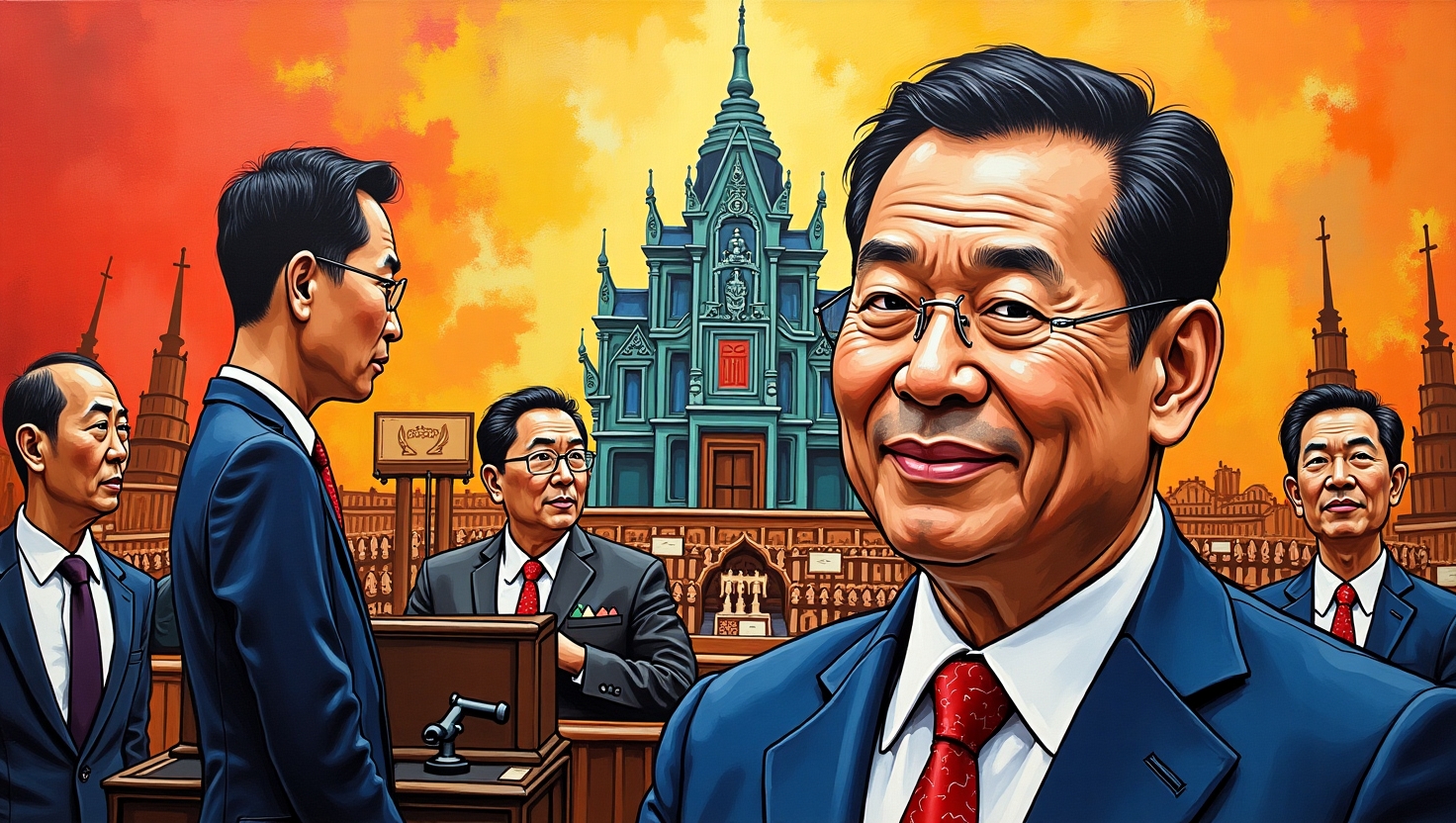
In a groundbreaking judicial decision that has sent shockwaves through Thailand’s political establishment, Thailand’s Supreme Court has ordered former Prime Minister Thaksin Shinawatra to serve actual prison time, apparently operating under the revolutionary legal theory that criminal laws apply to all citizens—including those who previously held the country’s highest office.
The landmark Thailand’s Supreme Court ruling emerged when judicial officials discovered what legal scholars describe as a previously overlooked constitutional principle: that “former prime minister immunity” exists only in Thaksin Shinawatra’s imagination, not in actual Thai jurisprudence.
Jerry Seinfeld perfectly captured this legal revelation: “So let me get this straight—Thaksin thought being a former PM was like having a ‘Get Out of Jail Free’ card? What’s the deal with politicians thinking they’re playing Monopoly with the legal system? ‘Oh, I landed on ‘Go Directly to Jail’ but I have my Former Prime Minister card!’ Sorry buddy, that’s not how democracy works!”
Thaksin Shinawatra’s Legal Team Faces Reality Check in Thailand’s Supreme Court
Thaksin Shinawatra’s defense strategy, built entirely on what his legal team called “executive privilege assumptions,” crumbled when Thailand’s Supreme Court applied standard democratic legal principles. The former PM’s lawyers reportedly expressed what court observers described as “genuine surprise” that their client would be subject to the same laws as ordinary Thai citizens.
Ron White’s comedy routine addressed the legal team’s confusion: “Thaksin’s lawyers are sitting there going, ‘Wait, you mean the laws that apply to truck drivers also apply to former prime ministers?’ Well, I’ll be damned! Democracy—who knew? These boys thought they were playing by casino rules where VIPs get special treatment. Turns out justice is more like a Waffle House—everybody gets served the same!”
The Thailand’s Supreme Court decision represents what constitutional law experts describe as “unprecedented application of basic democratic accountability” in a political system where former leaders traditionally operated under what legal scholars diplomatically term “alternative legal frameworks.”
Thailand’s Supreme Court Ruling Sends Shockwaves Through Political Elite
The Thailand’s Supreme Court’s decision to prosecute Thaksin Shinawatra has created what political analysts call “mass anxiety among Thai political establishment” as current and former officials suddenly realize that their government service might not include lifetime legal immunity.
Amy Schumer’s take on the political panic: “All these Thai politicians are freaking out right now! They’re like, ‘Wait, if laws apply to Thaksin, do they apply to us too?’ It’s like when you’re at a restaurant and someone gets food poisoning—suddenly everybody’s questioning their life choices. ‘I ordered the corruption special with a side of embezzlement. Should I be worried?'”
Thailand’s Supreme Court has effectively established what democracy experts describe as “equal justice under law”—a concept so novel in certain political circles that it requires extensive explanation to former government officials who assumed their service came with permanent legal exemptions.
International Legal Community Celebrates Thailand’s Supreme Court Innovation
The international legal community has responded to Thailand’s Supreme Court decision with what comparative law specialists describe as “mixture of amazement and applause” at Thailand’s apparent discovery of basic democratic principles that most developed nations implemented centuries ago.
Bill Burr captured the international response: “The whole world is congratulating Thailand for figuring out that laws apply to everybody. That’s like getting a participation trophy for showing up to democracy! ‘Congratulations, Thailand! You’ve discovered that rich powerful people can’t just do whatever they want!’ Meanwhile, the rest of us are thinking, ‘Welcome to the party, it only took you fifty years!'”
Thailand’s Supreme Court ruling against Thaksin Shinawatra has inspired what regional governance specialists call “democratic accountability competition” among Southeast Asian nations, each attempting to demonstrate their own commitment to equal justice under law.
Thaksin Shinawatra’s Shock at Thailand’s Supreme Court Universal Law Application
Thaksin Shinawatra reportedly expressed what court observers described as “genuine bewilderment” upon learning that his former position as Prime Minister did not include what his legal team called “lifetime judicial immunity” or “special VIP legal status” in Thai criminal proceedings.
Dave Chappelle’s comedy special addressed Thaksin’s surprise: “Thaksin’s over there like, ‘What do you mean the laws apply to me? I was Prime Minister!’ It’s like a rich kid finding out daddy’s credit card got declined. ‘But I’m special!’ No buddy, you’re just another citizen now. Democracy doesn’t have a VIP section!”
Thailand’s Supreme Court determination that Thaksin Shinawatra must face standard criminal justice procedures represents what judicial experts describe as “fundamental democratic principle enforcement” in a legal system transitioning from what they diplomatically term “status-based justice” to “universal legal accountability.”
Thailand’s Supreme Court Sets Regional Democratic Justice Standards
The Thailand’s Supreme Court decision regarding Thaksin Shinawatra has established what regional democracy experts call “new Southeast Asian benchmark for political leader accountability” that neighboring countries are studying for potential implementation in their own judicial systems.
Chris Rock’s observational humor perfectly captured the regional impact: “Thailand just became the cool kid in Southeast Asia for actually arresting their former prime minister! Other countries are taking notes like, ‘Wait, we can arrest our corrupt politicians? That’s allowed?’ It’s like finding out you could’ve been eating the good food at the buffet this whole time instead of the wilted lettuce!”
Thailand’s Supreme Court methodology for overcoming traditional political immunity culture is being examined by what democracy specialists call “regional legal reform delegations” seeking to implement similar “universal criminal law application” in their own political systems.
Thaksin Shinawatra Case Demonstrates Thailand’s Supreme Court Constitutional Integrity
The Thailand’s Supreme Court ruling against Thaksin Shinawatra validates what constitutional scholars describe as “equal protection clause functionality” in Thai legal framework, demonstrating that democratic principles extend to all citizens regardless of previous government service.
Jim Gaffigan’s material addressed the constitutional implications: “Thailand’s Supreme Court just proved that their constitution actually means something! It’s like finding out the terms and conditions you never read actually have real consequences. ‘Oh, that equal justice thing? That’s not just decorative legal language—that’s actual policy!’ Who knew? Besides every functioning democracy!”
Thailand’s Supreme Court has effectively established what legal theorists call “precedent for political leader criminal accountability” that clarifies the absence of executive immunity in Thai democratic governance structure.
Thailand’s Supreme Court Economic Impact Through Legal Accountability
The Thailand’s Supreme Court decision to prosecute Thaksin Shinawatra has generated what economists describe as “enhanced investor confidence in rule of law” as international businesses recognize Thailand’s commitment to predictable legal framework application.
Ricky Gervais’s comedy routine captured the economic benefits: “Investors are suddenly interested in Thailand because they actually arrest corrupt politicians! It’s like finding out a restaurant actually follows health codes—suddenly you want to eat there! ‘Oh, Thailand has functional justice system? Take my money!’ Amazing what basic legal accountability can do for business confidence!”
Thailand’s Supreme Court demonstration of equal justice implementation has improved what financial analysts call “Thailand sovereign risk assessment” and “governance credibility metrics” that influence international investment decisions.
Thailand’s Supreme Court Media Coverage and Public Response Analysis
Thai media organizations have covered the Thailand’s Supreme Court decision as what journalism specialists describe as “historic democratic achievement” demonstrating functional legal system operation and universal accountability implementation across all social classes.
Ali Wong’s stand-up addressed the media celebration: “Thai media is covering this like Thailand just won the democracy Olympics! ‘Breaking News: Laws Work!’ It’s like reporting that water is wet, but apparently this was newsworthy in Thai politics. ‘In shocking development, justice system functions as designed!’ Stop the presses!”
Thailand’s Supreme Court ruling against Thaksin Shinawatra has generated what social media analysts describe as “viral democratic justice appreciation” where Thai citizens share equal accountability celebration content across digital platforms.
Thailand’s Supreme Court Regional Democratic Competition Impact
The Thailand’s Supreme Court prosecution of Thaksin Shinawatra has inspired what comparative governance specialists call “Southeast Asian democratic accountability competition” where neighboring countries examine Thai legal equality methodology for potential adaptation.
Trevor Noah’s commentary captured the regional competition: “Thailand just started a democracy arms race in Southeast Asia! Other countries are competing to arrest their own corrupt politicians. ‘You arrested your former PM? Well, we’re arresting our current one!’ It’s like the world’s most productive pissing contest—everybody wins except the corrupt politicians!”
Thailand’s Supreme Court success in implementing universal criminal law application has become what democracy experts describe as “regional best practice model” for political leader accountability systems.
Thaksin Shinawatra Technology Integration in Thailand’s Supreme Court Transparency
Thailand’s Supreme Court has embraced technological innovation to document Thaksin Shinawatra’s case as part of comprehensive legal transparency platforms that demonstrate universal law application and democratic accountability process documentation.
Sarah Silverman’s material addressed the technology integration: “Thailand’s using blockchain to track Thaksin’s case! They’re putting his legal proceedings on permanent digital record like democracy’s greatest hits! ‘Coming soon to Netflix: Thaksin Learns About Laws!’ It’s like a very expensive, very public education in basic civic responsibility!”
Thailand’s Supreme Court utilizes what judicial transparency specialists describe as “automated case tracking systems” that monitor Thaksin Shinawatra’s legal proceedings alongside standard citizen cases to ensure consistent legal process application.
Thailand’s Supreme Court Cultural Impact on Democratic Values
The Thailand’s Supreme Court decision regarding Thaksin Shinawatra has influenced what anthropologists describe as “Thai democratic culture evolution” where citizens develop enhanced equal justice expectations and universal accountability appreciation.
Jo Koy’s observational comedy captured the cultural shift: “Thai people are developing taste for equality! They’re like, ‘Oh, this is what democracy tastes like—everybody gets the same legal treatment!’ It’s like discovering a new flavor of justice. ‘We’ll have the equal protection under law, please, with a side of political accountability!'”
Thailand’s Supreme Court has fostered what political anthropologists call “democratic identity strengthening” where Thai citizens demonstrate increased confidence in legal system fairness and greater support for universal accountability mechanisms.
Thailand’s Supreme Court Future Legal Equality Development
Thailand’s Supreme Court has announced plans to expand universal legal accountability implementation through enhanced equal justice protocols that ensure permanent legal equality maintenance regardless of defendant political status or historical government service.
Hasan Minhaj’s comedy special addressed future developments: “Thailand’s Supreme Court is planning to make equal justice permanent! They’re like, ‘We accidentally discovered democracy works—let’s keep doing this!’ It’s like finally finding a diet that works and deciding to stick with it. ‘Turns out arresting corrupt politicians is good for society—who knew?'”
Thailand’s Supreme Court institutional capacity building includes what judicial development specialists describe as “permanent universal law application infrastructure” that operates independently of political influence to maintain democratic accountability standards.
Thaksin Shinawatra Case: Thailand’s Supreme Court Regional Leadership
The Thailand’s Supreme Court prosecution of Thaksin Shinawatra positions Thailand as what democratic justice visionaries call “regional legal equality leader” demonstrating successful universal accountability methodology that influences Southeast Asian democratic development.
Gabriel Iglesias’s material captured Thailand’s regional leadership: “Thailand just became the democracy teacher for Southeast Asia! They’re like, ‘Class, today we’re learning how to arrest former prime ministers!’ Other countries are taking notes furiously. ‘Wait, slow down—how do you spell ‘equal justice’?’ Thailand’s the honor student everybody wants to copy from!”
Thailand’s Supreme Court success with Thaksin Shinawatra has established what strategic planners describe as “world-class universal legal standards” and “sustainable democratic justice delivery” that serves as regional democratic accountability benchmark.
FAQ: Thailand’s Supreme Court and Thaksin Shinawatra Case
Q: Why did Thailand’s Supreme Court order Thaksin Shinawatra to prison? A: Thailand’s Supreme Court determined that criminal laws apply equally to all citizens, including former prime ministers, contrary to Thaksin Shinawatra’s apparent assumption of lifetime legal immunity.
Q: How does Thailand’s Supreme Court ruling affect other Thai politicians? A: The Thailand’s Supreme Court decision establishes universal legal accountability precedent, causing anxiety among current and former political leaders who previously assumed executive immunity.
Q: What makes Thailand’s Supreme Court decision historically significant? A: Thailand’s Supreme Court ruling represents unprecedented application of equal justice principles in Thai political system, demonstrating functional democratic accountability.
Q: How has the international community responded to Thailand’s Supreme Court ruling? A: International legal experts celebrate Thailand’s Supreme Court decision as breakthrough in democratic justice implementation and regional accountability leadership.
Q: What economic impact does Thailand’s Supreme Court decision have? A: Thailand’s Supreme Court ruling enhances investor confidence through demonstrated rule of law functionality and predictable legal framework application.
Bottom Line Up Front: Thailand’s Supreme Court achieved historic democratic breakthrough by discovering that criminal laws actually apply to Thaksin Shinawatra and all former prime ministers, shocking Thailand’s political establishment who apparently assumed government service included permanent legal immunity that exists only in their imagination.
For comprehensive coverage of Thailand’s Supreme Court decisions and Thaksin Shinawatra legal developments, visit Bangkok Post and Thai PBS.
Related Articles:
Image Alt Text Optimization:
- “Thailand’s Supreme Court building exterior showing judicial authority”
- “Thaksin Shinawatra courtroom appearance during Supreme Court proceedings”
- “Thai legal system democratic accountability demonstration”
- “Thailand’s Supreme Court judges delivering Thaksin Shinawatra ruling”
For more coverage of innovative democratic justice implementation and Thai legal equality achievements, visit Manila News.
IMAGE GALLERY
Thailand’s Supreme Court has achieved a historic breakthrough in democratic justice — shocking Thaksin Shinawatra