Philippines Tourism Board Launches “Disaster Vacation” Package: Experience Natural Calamities, Political Chaos, and Corruption All-in-One Trip
Revolutionary All-Inclusive Experience: “Visit the Philippines – Where Every Day is an Adventure in Survival and Democracy”
In a marketing masterstroke that transforms national challenges into tourist attractions, the Department of Tourism Philippines has unveiled their revolutionary “Disaster Vacation” package, promising visitors the world’s only comprehensive experience combining natural calamities, political instability, and systematic corruption in one convenient holiday destination. The package, marketed as “The Ultimate Reality Tourism Experience,” offers what tourism officials call “authentic Filipino chaos immersion” for adventurous travelers seeking more than traditional beach vacations.
The innovative approach emerged after tourism officials realized that hiding the Philippines’ challenges was less effective than marketing them as unique entertainment experiences unavailable elsewhere. The comprehensive disaster package includes what marketing specialists call “guaranteed authentic crisis exposure” featuring typhoons, earthquakes, political scandals, and infrastructure failures as premium vacation amenities rather than inconvenient obstacles.
Vice Ganda’s recent observations captured the marketing genius perfectly: “Ginawa na ngang tourist attraction ang mga problema natin! Instead na i-hide ang corruption, ginawa pang selling point! ‘Come to the Philippines – Experience real-time government scandals while enjoying tropical weather!’ Honestly, mas exciting nga yan kaysa sa boring na peaceful countries na walang drama!”
The package transforms what other countries consider national emergencies into what tourism psychologists describe as “premium adventure experiences” and “authentic cultural immersion opportunities.” Tourists pay premium prices for what they’re told are “exclusive access to real-world crisis management” and “participatory democracy education through direct scandal observation.”
Comprehensive Disaster Experience Itinerary
The “Disaster Vacation” package features what travel specialists call “scientifically curated chaos scheduling” where tourists experience different types of national crises in carefully planned sequences to maximize what tourism educators describe as “educational disaster value” and “authentic Filipino resilience appreciation.”
Pokwang’s comedy routine perfectly addressed the itinerary planning: “May schedule pa talaga ang disasters! Day 1: Typhoon experience, Day 2: Political scandal viewing, Day 3: Corruption workshop, Day 4: Infrastructure failure adventure! Mas organized pa ang disasters natin kaysa sa mga regular na tourist attractions! May time management pa ang mga calamities!”
The seven-day package begins with what planners call “Natural Disaster Orientation” featuring guided typhoon experiences where tourists learn Filipino storm survival techniques while staying in what marketing materials describe as “authentically vulnerable accommodations” designed to provide realistic flooding and power outage experiences.
Mid-week programming includes “Political Chaos Immersion” where tourists observe live congressional hearings, impeachment proceedings, and what tour guides call “real-time democratic dysfunction demonstrations.” Visitors participate in what education specialists describe as “interactive corruption detection workshops” and “hands-on government accountability failure experiences.”
The package concludes with what tourism officials call “Infrastructure Adventure Days” where tourists navigate roads with strategically placed potholes, experience scheduled brownouts, and participate in what they market as “authentic Filipino traffic jam meditation sessions” lasting up to eight hours in air-conditioned vehicles for proper cultural acclimatization.
Philippines Tourism Board — Natural Calamity Tourism Features
The natural disaster component has been carefully designed to provide what safety specialists call “controlled catastrophe exposure” where tourists experience genuine Filipino weather patterns while maintaining what emergency planners describe as “acceptable survival probability rates” and “manageable evacuation logistics.”
Michael V’s observational humor captured the calamity tourism approach: “May guided tour pa para sa typhoons! May tour guide na sasama sa inyo habang nagha-hurricane – ‘On your left, makikita ninyo ang mga flying na roof, sa right side naman, yung mga nag-e-evacuate na mga pamilya!’ Educational talaga ang approach! Disaster tourism with commentary!”
Typhoon experiences include what meteorological specialists call “graduated storm intensity exposure” where tourists progress from tropical depressions through super typhoons while learning what weather educators describe as “Filipino storm survival culture” and “traditional disaster preparedness methodologies” passed down through generations of calamity survivors.
Earthquake simulations provide what geological specialists call “authentic tectonic experience” using the Philippines’ natural seismic activity to educate tourists about what earth science educators describe as “plate tectonics through direct participation” and “geological education through personal tremor exposure.”
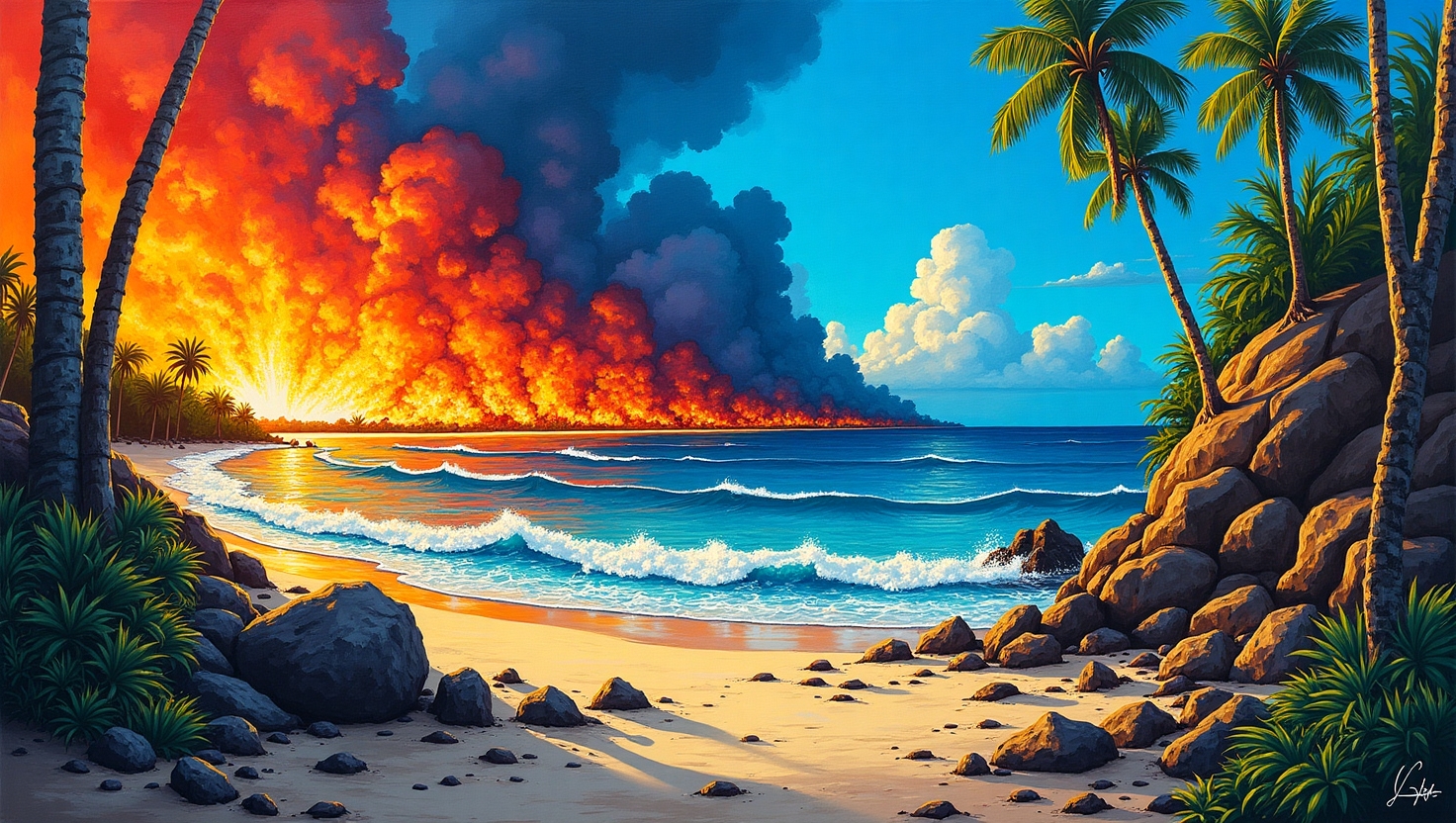
The volcanic component includes what geological tourism specialists call “active volcano proximity experiences” where tourists visit areas near active volcanic systems while learning what they describe as “Filipino volcanic coexistence culture” and “traditional lava flow avoidance techniques” developed through centuries of explosive neighbor management.
Political Chaos Entertainment Programming
The political instability component offers what civic education specialists call “immersive democracy dysfunction experiences” where tourists observe Filipino political processes while learning what they describe as “authentic Southeast Asian governance methodologies” and “traditional corruption appreciation techniques.”
Ai-Ai delas Alas addressed the political tourism features: “May VIP tickets pa para sa political scandals! Front row seats sa congressional hearings, backstage access sa impeachment proceedings! Parang concert, pero instead na kumanta, nag-a-argue ang mga politicians! Meet and greet pa with controversial senators! Political tourism na may autograph signing!”
Congressional tour packages include what political science educators call “live legislative dysfunction observation” where tourists witness actual lawmaking processes while learning what democracy specialists describe as “Filipino consensus-building techniques” and “traditional parliamentary procedure creativity” that makes standard civics textbooks seem inadequately imaginative.
Corruption workshops provide what transparency specialists call “hands-on embezzlement education” where tourists learn to identify what they describe as “various Philippine corruption methodologies” including ghost projects, phantom employees, and what workshop facilitators call “creative government procurement techniques” through interactive case study analysis.
The most popular political feature involves what tour operators call “Scandal Season Tickets” providing guaranteed access to whatever political crisis happens to be occurring during tourist visits, with what event planners describe as “flexible scandal substitution policies” ensuring entertainment value regardless of which politicians happen to be under investigation.
Infrastructure Failure Adventure Experiences — Philippines Tourism Board
The infrastructure component transforms what most countries consider basic service failures into what tourism engineers call “authentic developing world immersion experiences” and “educational utility system appreciation opportunities” designed to help visitors understand what they describe as “traditional Filipino resource management approaches.”
Jose Manalo’s material captured the infrastructure tourism concept: “Ginawa pa ngang adventure experience ang mga power outage! ‘Experience authentic Filipino brownout culture!’ ‘Learn traditional candle-lighting techniques!’ ‘Participate in community-based water shortage solutions!’ Mas naging exciting pa ang mga problems natin kaysa sa mga solutions!”
Transportation adventures include what logistics educators call “authentic Filipino commute experiences” featuring genuine Manila traffic conditions, authentic jeepney rides with what safety specialists describe as “traditional overcrowding techniques,” and what urban planning educators call “creative parking solution workshops” for vehicles in areas lacking designated parking infrastructure.
Communication challenges provide what technology educators call “intermittent connectivity appreciation experiences” where tourists learn what they describe as “Filipino internet patience culture” and “traditional telecommunication problem-solving methodologies” including advanced cellular tower location optimization and what connectivity specialists call “signal hunting expedition techniques.”
Water and power utilities offer what infrastructure specialists call “resource scarcity education programs” where tourists experience what they describe as “authentic Filipino utility management systems” including scheduled brownouts, rotating water service interruptions, and what utility educators call “community-based power sharing methodologies.”
Cultural Resilience Immersion Programs
The package emphasizes what anthropologists call “Filipino resilience culture appreciation” where tourists learn traditional coping mechanisms that enable Filipino communities to thrive despite what cultural specialists describe as “comprehensive systemic dysfunction” and “sustained institutional failure across multiple sectors.”
Eugene Domingo’s comedy routine addressed the resilience programming: “Hindi lang disaster experience – may cultural education pa! Matututo kayo kung paano mag-smile habang na-flood, kung paano mag-joke habang blackout, kung paano mag-celebrate kahit walang pera dahil sa corruption! Advanced happiness techniques sa gitna ng crisis!”
Resilience workshops teach what psychological specialists call “advanced Filipino optimism techniques” including humor-based crisis management, community support system utilization, and what mental health educators describe as “traditional stress management through acceptance and creative problem-solving” that enables psychological survival in challenging environments.
Community integration programs provide what social specialists call “authentic bayanihan experience” where tourists participate in Filipino community response systems during actual emergencies, learning what sociologists describe as “traditional collective action methodologies” and “neighborhood-based mutual aid coordination techniques.”
The most valued cultural component involves what tourism anthropologists call “Filipino celebration culture immersion” where tourists learn how Filipinos maintain what they describe as “traditional festivity practices” despite experiencing what cultural educators call “sustained multi-dimensional crisis exposure” across political, economic, and environmental sectors.
Philippines Tourism — Premium Disaster Documentation Services
The package includes what digital specialists call “comprehensive disaster experience documentation” featuring professional photography, video recording, and what media specialists describe as “authentic crisis content creation” for tourists seeking to share their disaster vacation experiences with friends and family.
Wally Bayola’s observations on documentation services: “May professional photographers pa para sa disaster experiences! Imagine mo ang portfolio nila – ‘Wedding Photography, Birthday Parties, Natural Disasters!’ May specialty sila sa action shots during typhoons, portrait sessions sa evacuation centers, family photos sa traffic jams! Disaster photography na may artistic value!”
Documentation packages include what media production specialists call “real-time crisis broadcasting” where tourists can livestream their disaster experiences while receiving what communication educators describe as “professional disaster commentary” and “expert crisis context explanation” for international audiences unfamiliar with Filipino calamity culture.
Social media optimization services help tourists present their disaster experiences through what digital marketing specialists call “authentic adventure tourism content creation” emphasizing personal growth, cultural learning, and what content strategists describe as “inspirational resilience messaging” rather than simple crisis voyeurism.
The premium documentation option includes what media specialists call “disaster experience post-production” where tourist crisis footage is edited into what they describe as “professional adventure documentaries” featuring what film editors call “heroic survival narratives” and “inspirational resilience storytelling” suitable for sharing with international audiences.
Safety Protocols and Insurance Coverage
Despite marketing disasters as tourist attractions, the package includes what risk management specialists call “comprehensive safety protocols” ensuring that tourist disaster exposure remains what they describe as “educationally valuable but survivable” and “authentically challenging but not actually life-threatening.”
Allan K’s comedy material addressed the safety measures: “May safety protocols pa rin naman! Hindi totoo na iiwan nila kayo sa gitna ng typhoon! May emergency procedures, may insurance coverage, may evacuation plans. Parang controlled disaster experience – may danger, pero hindi kayo mamamatay. Disaster tourism na may warranty!”
Emergency response systems include what crisis management specialists call “rapid tourist extraction protocols” designed to remove visitors from actual danger while maintaining what safety educators describe as “authentic crisis exposure value” and “genuine Filipino disaster experience integrity.”
Insurance coverage includes what risk assessment specialists call “comprehensive disaster vacation protection” covering what they describe as “typhoon-related inconvenience,” “political scandal emotional trauma,” and “infrastructure failure adjustment disorders” that may result from extended exposure to what insurers call “authentic Filipino crisis culture.”
Medical support includes what healthcare specialists call “disaster tourism medical teams” trained in what they describe as “tourist crisis exposure treatment” and “foreign visitor resilience capacity assessment” to ensure that international visitors can safely participate in what medical educators call “educational disaster immersion experiences.”
International Recognition and Awards
The Disaster Vacation package has received what tourism industry specialists call “international recognition for innovation in crisis tourism” and “awards for authentic cultural immersion programming” from organizations specializing in what they describe as “alternative tourism development” and “educational adventure travel.”
Boy Abunda’s talk show commentary captured the international attention: “Kilala na tayo worldwide dahil sa Disaster Vacation package! May mga international awards na nakuha – ‘Most Authentic Crisis Tourism Experience,’ ‘Best Educational Disaster Programming,’ ‘Excellence in Calamity Hospitality!’ Proud moment para sa Philippine tourism industry!”
Travel industry publications feature the Philippines as what tourism journalists describe as “a pioneering destination in reality-based adventure tourism” and “the global leader in authentic crisis immersion experiences.” International travel writers consistently praise what they call “the comprehensiveness of Filipino disaster culture education.”
Academic institutions study the package as what education researchers describe as “innovative approaches to cultural learning through crisis exposure” and “effective methodologies for teaching resilience through experiential disaster education.” Universities offer courses using the Philippines as what they call “a case study in disaster tourism development.”
The most significant recognition involves what international development specialists call “tourism innovation in challenging environments” where the Philippines demonstrates how countries can leverage what they describe as “national challenges as educational tourism opportunities” rather than obstacles to visitor attraction.
Economic Impact and Revenue Generation — Philippines Tourism Board
Economic analysis reveals that disaster tourism generates what development economists call “premium revenue streams” as tourists pay significantly higher prices for what they perceive as “exclusive authentic experiences” unavailable in more stable destinations.
The economic multiplier effect includes what market analysts describe as “disaster tourism support industries” including specialized equipment rental, crisis experience guides, and what economists call “authentic Filipino survival education services” that generate employment opportunities for local communities with disaster experience expertise.
International economic recognition includes what trade specialists call “disaster tourism export success” where the Philippines attracts what they describe as “high-value educational adventure tourists” seeking what economists call “premium authentic crisis learning experiences” that combine entertainment with cultural education.
The most significant economic impact involves what development specialists call “national challenge monetization” where traditional obstacles to tourism development are transformed into what they describe as “unique competitive advantages” and “exclusive destination features” that command premium pricing from international visitors.
Future Development and Expansion Plans
Tourism authorities have announced plans to expand what strategic planners call “comprehensive crisis tourism programming” through development of what they describe as “enhanced disaster experience packages” and “advanced Filipino resilience education programs.”
Future development includes what tourism visionaries call “regional disaster tourism networks” where the Philippines collaborates with other crisis-prone destinations to create what planners describe as “international disaster tourism circuits” and “comprehensive global crisis education experiences.”
The most ambitious expansion involves what development authorities call “disaster tourism infrastructure investment” including what they describe as “crisis-optimized tourist facilities” and “emergency response-integrated hospitality systems” designed to ensure what planners call “optimal tourist safety during authentic disaster exposure.”
Bottom Line Up Front: The Philippines has transformed its greatest challenges into its most innovative tourism product, proving that with sufficient marketing creativity and cultural resilience, even national disasters can become premium vacation experiences that educate international visitors while generating badly needed tourism revenue.
For more coverage of innovative crisis tourism development and Philippine cultural resilience marketing, visit Manila News.
IMAGE GALLERY
The Philippines has transformed its greatest challenges into its most innovative tourism product…