
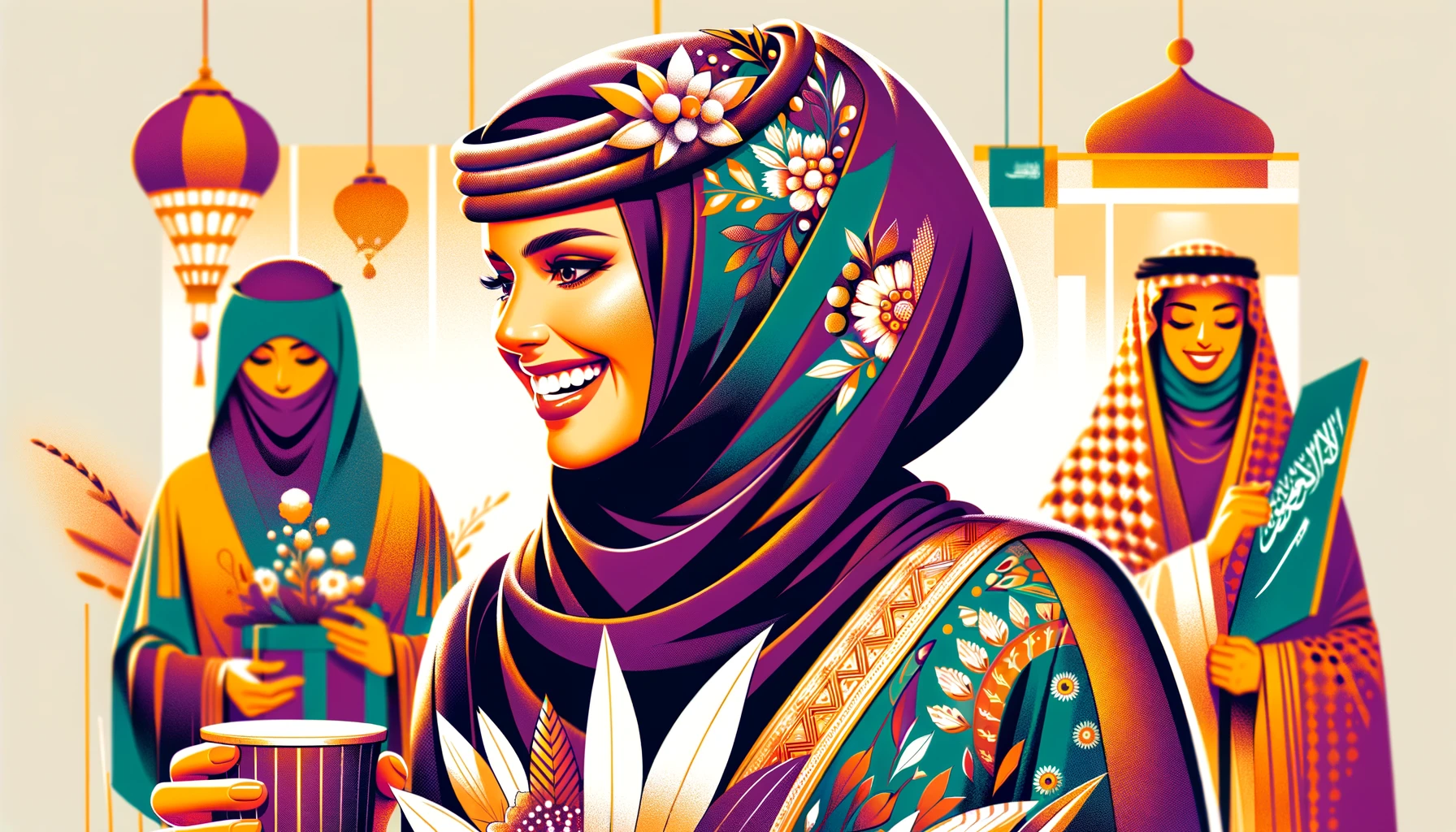
When East Meets Empowerment: The Unconventional Celebration of International Women’s Day in Muslim Nations
In a delightful twist that could only be described as ‘East meets West meets absolute pandemonium,’ Muslim nations have embraced International Women’s Day with a zeal that’s both commendable and comical. Let’s delve deeper into this cultural kaleidoscope, shall we?
UN Declares International Women’s Day Mandatory, Muslim Nations in Disarray
In a move that has sent shockwaves through the Islamic world, the United Nations has declared International Women’s Day a mandatory holiday for all member states. The decision, hailed by Western diplomats as a “historic victory for gender equality,” has been met with confusion and consternation in Muslim-majority nations.

“Frankly, we’re just not sure what to do with this International Women’s Day business,” admitted one befuddled Saudi official. “We don’t have Hallmark cards here, and roses wilt in the desert heat. Plus, wouldn’t it be disrespectful to expose a woman’s face in public for a celebration?”
Undeterred by such concerns, the UN has issued a series of mandatory guidelines for celebrating International Women’s Day. These include:
- Feminist Fatwas: Religious scholars must issue fatwas (religious rulings) declaring that women are actually people too.
- Mosque Makeovers: Mosques must be redesigned to include comfortable seating for women, with ottomans and cup holders for their chai tea lattes.
- Celebratory Camel Parades: A mandatory camel parade featuring women on horseback, because apparently that’s what empowerment looks like in the desert.
Meanwhile, social media in the Muslim world has been abuzz with satire of its own. One popular meme features a photo of a veiled woman holding a sign that reads: “Free Palestine? Yes. Free manicures? Now that’s progress!”
Another tweet quips: “Thanks, UN, for reminding us that women exist for one day a year. We’ll be sure to put on our best invisible burqas for the occasion.”
The mandatory celebration of International Women’s Day has exposed a deep cultural divide between the West and the Muslim world. While Western nations see the holiday as a chance to celebrate women’s achievements, many Muslims view it as a forced imposition of Western values.
One thing is for sure: this International Women’s Day will be one to remember in the Muslim world, if only for its sheer absurdity.
Family Drama, Dragon-Style
Forget about the mundane mother-in-law drama. In the spirit of Women’s Day, Muslim families are now throwing their daughters into metaphorical dragon’s dens (read: challenging traditional roles) and watching in awe as they emerge not just unscathed but triumphant. “I thought my mother-in-law was tough, but then I met a dragon,” jokes Farah, a local woman who’s mastered the art of dragon diplomacy. The metaphorical dragon here represents societal challenges and expectations that women face, and overcoming them symbolizes empowerment and independence, reshaping the narrative of women in Muslim societies.

Feminist Fatwas: The New Normal
Imagine waking up to a fatwa that mandates equal chores for men and women. “Brothers, today you shall learn the sacred art of vacuuming,” declares Imam Al-Modern, as bewildered men across the nation pick up brooms instead of prayer beads. These progressive fatwas challenge longstanding stereotypes and encourage a more equitable distribution of household responsibilities, signaling a significant cultural shift. By endorsing such changes publicly, religious leaders play a crucial role in transforming societal norms and promoting gender equality.
Fashion Forward Hijabs
The hijab has undergone a revolutionary redesign. Now featuring empowering slogans, these headscarves are less about conformity and more about making a statement. “My hijab says ‘Girl Boss,’ because why not?” smirks Amina, strutting down the street in her empowering attire. This transformation of the hijab into a symbol of empowerment reflects a broader trend of redefining traditional attire to reflect modern values and individuality, enabling women to express their beliefs and aspirations boldly.
A Muezzin’s Modern Message

The muezzin’s call to prayer has a new addition: a reminder of women’s rights. “God is great, and so is gender equality,” echoes from minarets, turning heads and opening minds. This inclusion in the daily calls to prayer integrates the message of gender equality into the fabric of daily life, reinforcing the idea that respect and rights for women are integral to the faith and community.
Quranic Quotations for Equality
Imams are delving deep into Islamic texts, pulling out quotes that champion women’s rights, making some wonder if there’s a secret feminist chapter they’d previously overlooked. “Lo and behold, empowerment was in our scripture all along,” muses Imam Enlightened. This emphasis on Quranic teachings that support women’s rights provides a theological basis for gender equality, challenging misconceptions and highlighting Islam’s progressive aspects regarding women’s roles and rights.
Camel Parades for a Cause
Forget about traditional parades; now, camels are decked out in pink, marching down the streets advocating for women’s rights. “Who knew camels could be feminist icons?” chuckles bystander Jamal. These parades, while humorous, serve as a visible and impactful demonstration of support for women’s rights, drawing public attention and fostering a sense of community solidarity in advocating for change.
As Muslim nations embrace International Women’s Day, the fusion of tradition and modernity creates a tapestry rich with humor, empowerment, and a touch of the unexpected. From feminist fatwas to culinary coups, it’s clear that change is in the air, and it smells suspiciously like victory… and perhaps a hint of freshly baked baklava.
Insight on the Middle East: International Women’s Day
-
Manila News Photo – illustrative style image focusing on a Saudi woman engaged in a celebratory activity for International Women’s Day… Double-Booked Holidays: Imagine the confusion in a Muslim nation when International Women’s Day clashes with a major religious event. “Sorry, we can’t join the Women’s Day march; we’ve got a camel beauty contest at the mosque!”
- Feminist Fatwas: In a surprising twist, clerics issue a fatwa declaring that not celebrating International Women’s Day is haram. “Next thing you know, they’ll declare a jihad against unequal pay!”
- Hijab High Fashion: The hijab becomes a symbol of empowerment with slogans like “This is what a feminist looks like” emblazoned across them. “Get your limited-edition, ‘I’m with her’ hijabs, now available in all colors!”
- Muezzin’s Message: The call to prayer gets a slight modification: “Allahu Akbar… and don’t forget, respect women!”
- Quranic Quotations: Imams start quoting verses about women’s rights so much that congregants wonder if a new surah was added overnight. “Brothers, remember, heaven lies under the feet of mothers… and also, happy International Women’s Day!”
- Camel Parades: Women’s Day parades feature camels donned in pink, the universal color of female empowerment. “Who needs a float when you’ve got a camel?”
- Progressive Polygamy: In a nod to gender equality, a new policy allows women to have multiple husbands. “Because why should men have all the fun?”
- Beard Bans: Progressive Muslim men start shaving their beards in solidarity with women’s rights. “It’s not just Movember; it’s also ‘Make a Stand for Women’s Rights’ month!”
- Sharia Stocktaking: Sharia courts begin to reassess laws with a feminist lens. “We’re currently reviewing the section on inheritance… turns out women might actually like owning property!”
- Mosque Makeovers: Mosques get a makeover with designated prayer areas for women… that are actually as nice as the men’s! “Next up, we’re installing a spa next to the ablution area!”
- Halal Henna Rights: Henna parties become not just pre-wedding rituals but also Women’s Day celebrations. “Nothing says empowerment like intricate henna designs proclaiming ‘Girl Power!'”
- Madrasa MeToo: Islamic schools introduce gender studies, and suddenly, the MeToo movement has a new, unexpected ally. “Today’s lesson: Consent is halal!”
- Culinary Coups: Halal kitchens introduce “empowerment eats,” where every dish is named after a notable Muslim woman. “Would you like to try our ‘Malala Malai Kofta’?”
- Suffragette Salats: Prayer sessions now include a special du’a for women’s equality. “And please, Allah, grant us the strength to smash the patriarchy!”
- Eid Equality: Eid celebrations now double as Women’s Day events, with men taking over all the cooking and cleaning. “This year, we’re swapping sacrificial lambs for smashing gender norms!”

Originally posted 2024-03-18 20:12:45.