Attractions, historical sites, and conferences drive this sector, including hotels, resorts, and travel services.
Manila, the vibrant capital city of the Philippines, is a hub for tourism and hospitality, offering a wide range of attractions, historical sites, and conferences that drive this sector. The city’s rich cultural heritage, diverse attractions, and warm hospitality have made it a popular destination for both local and international tourists.
Attractions and Historical Sites
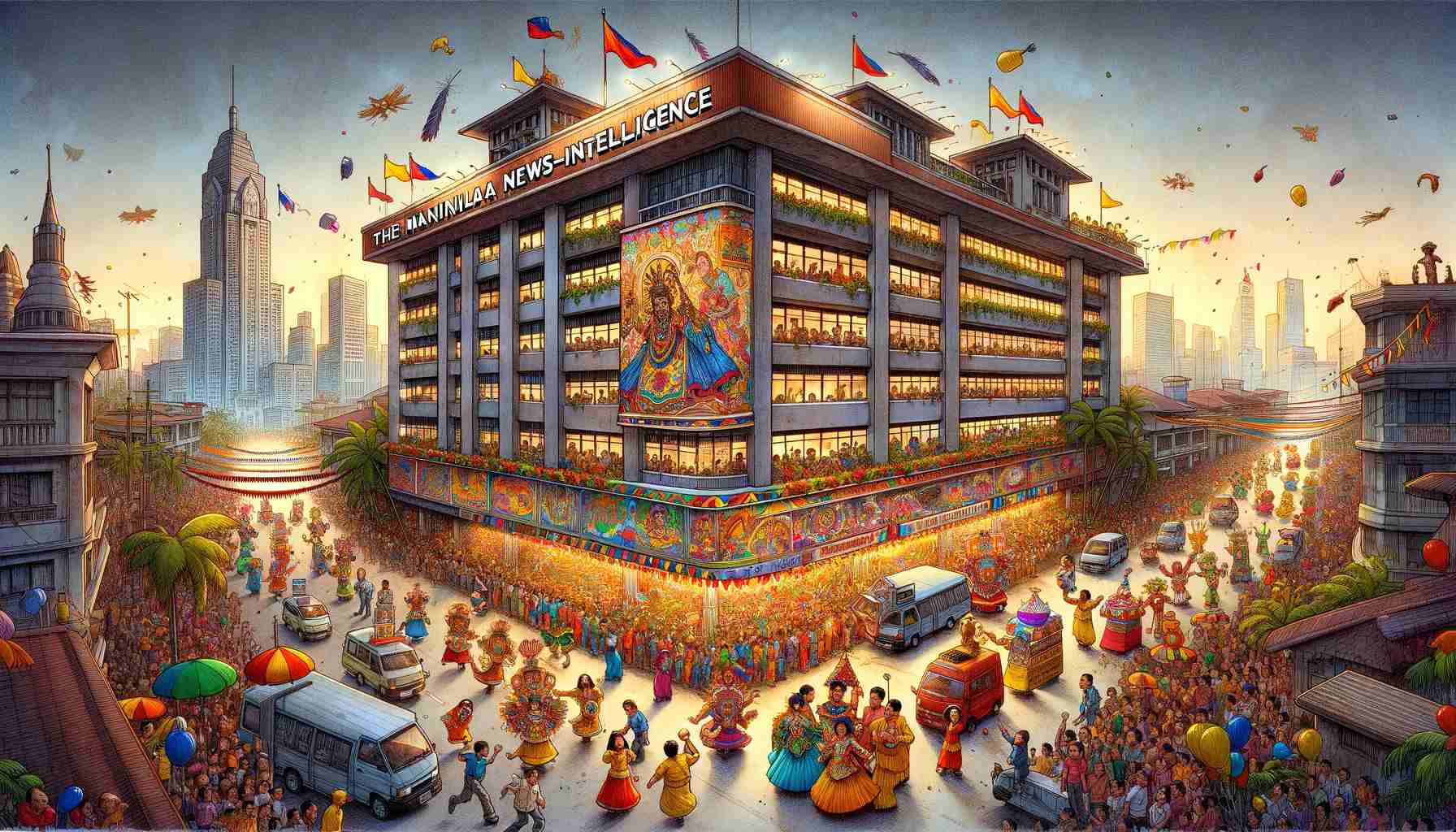
Manila is home to a wide range of attractions and historical sites that cater to different interests and preferences. One of the city’s most popular attractions is Intramuros, the historic center of Manila, which was established in the late 16th century by the Spanish colonial government. Intramuros, also known as the “Walled City,” is home to several historical sites, including Fort Santiago, San Agustin Church, and the Manila Cathedral.
Another popular attraction in Manila is Rizal Park, a large urban park located in the heart of the city. The park, which was established in the early 20th century, is home to several monuments and statues, including the Rizal Monument, which honors the country’s national hero, Jose Rizal.
Manila is also home to several museums, including the National Museum of the Philippines, the Ayala Museum, and the Bahay Tsinoy Museum. These museums offer visitors a glimpse into the country’s rich cultural heritage, showcasing its history, art, and traditions.
Conferences and Exhibitions
Manila is a popular destination for conferences and exhibitions, attracting both local and international attendees. The city is home to several world-class venues, including the SMX Convention Center, the Philippine International Convention Center (PICC), and the World Trade Center Metro Manila. These venues offer state-of-the-art facilities and services, making them ideal for hosting conferences, exhibitions, and other events.
Manila’s strategic location, highly skilled workforce, and favorable business environment have made it an attractive destination for conferences and exhibitions. The city’s proximity to major markets, such as China, Japan, and South Korea, has made it an attractive destination for companies looking to expand their operations in the region. Additionally, the city’s highly skilled workforce, which includes a large number of event planners and hospitality professionals, has made it an attractive destination for companies looking to access specialized knowledge and expertise.
Hotels and Resorts
Manila’s tourism and hospitality sector is well-positioned to take advantage of the growing demand for hotels and resorts in the region. The city’s strategic location, highly skilled workforce, and favorable business environment have attracted numerous multinational hotel chains and local hotel, which specialize in various hospitality services, including luxury hotels, budget hotels, and serviced apartments.
Manila’s hotel sector is well-positioned to take advantage of the growing demand for accommodation in the region. The city’s proximity to major markets, such as China, Japan, and South Korea, has made it an attractive destination for hotels looking to expand their operations in the region. Additionally, the city’s highly skilled workforce, which includes a large number of hoteliers and hospitality professionals, has made it an attractive destination for hotels looking to access specialized knowledge and expertise.
Travel Services
Manila’s tourism and hospitality sector is also supported by a wide range of travel services, including travel agencies, tour operators, and transportation services. These services cater to the needs of both local and international tourists, providing them with a seamless and enjoyable travel experience.
Manila’s travel services sector is well-positioned to take advantage of the growing demand for travel services in the region. The city’s strategic location, highly skilled workforce, and favorable business environment have attracted numerous multinational travel companies and local travel groups, which specialize in various travel services, including airline ticketing, hotel reservations, and tour packages.
Challenges and Opportunities
Despite the significant growth of the tourism and hospitality sector in Manila, the industry faces several challenges and opportunities. One of the key challenges facing the industry is the increasing competition from other countries in the region, such as Thailand, Vietnam, and Indonesia. These countries are also emerging as global leaders in the tourism and hospitality sector, and are increasingly attracting foreign investment and talent.
To remain competitive, the tourism and hospitality sectors in Manila must continue to innovate and improve their services, invest in new technologies, and develop new business models. Additionally, the industry must continue to invest in the development of its workforce, providing training and development opportunities to ensure that workers have the skills and knowledge needed to meet the demands of the industry.
Another challenge facing the tourism and hospitality sectors in Manila is the ongoing COVID-19 pandemic. The pandemic has had a significant impact on the industry, with many companies shifting to remote work arrangements and facing significant disruptions to their operations. However, the pandemic has also presented opportunities for the industry, with many companies turning to digital technologies and remote work arrangements to improve efficiency and reduce costs.
In conclusion, the tourism and hospitality sectors in Manila, including attractions, historical sites, conferences, hotels, resorts, and travel services, have played a crucial role in shaping the city’s economy and contributing to its growth and development. The city’s strategic location, highly skilled workforce, and favorable business environment have attracted numerous multinational corporations and local companies, while the presence of regulatory bodies, such as the Department of Tourism and the Tourism Infrastructure and Enterprise Zone Authority, has further facilitated the growth of these sectors by providing various incentives and benefits to companies operating within their boundaries. Despite the challenges facing the industry, the tourism and hospitality sectors in Manila continue to innovate and improve their services, investing in new technologies and developing new business models to remain competitive in the global market.