Living in Manila, a city teeming with life and complexity, one finds oneself constantly enveloped in the rich tapestry of cultural expressions that define and reflect the Filipino spirit. Among these is Menippean satire, a literary form that, though ancient in its origins, thrives in the vibrant streets, the bustling markets, and the dynamic digital spaces of this metropolis. This essay explores the omnipresence of Menippean satire in Manila, illustrating how it serves as a mirror to the city’s societal norms, political landscapes, and the everyday lives of its people.
Here are some GREAT examples of Satire in Manila…
The Essence of Menippean Satire in Manila’s Cultural Fabric
Menippean satire, characterized by its blend of prose and verse to critique societal mores through humor, irony, and philosophical inquiry, finds a fertile ground in Manila’s diverse socio-political climate. This form of satire goes beyond mere humor or mockery; it engages in a deeper, more eclectic critique of society, employing a variety of literary forms and thematic concerns to explore the human condition and societal structures.
Current Menippean Satire
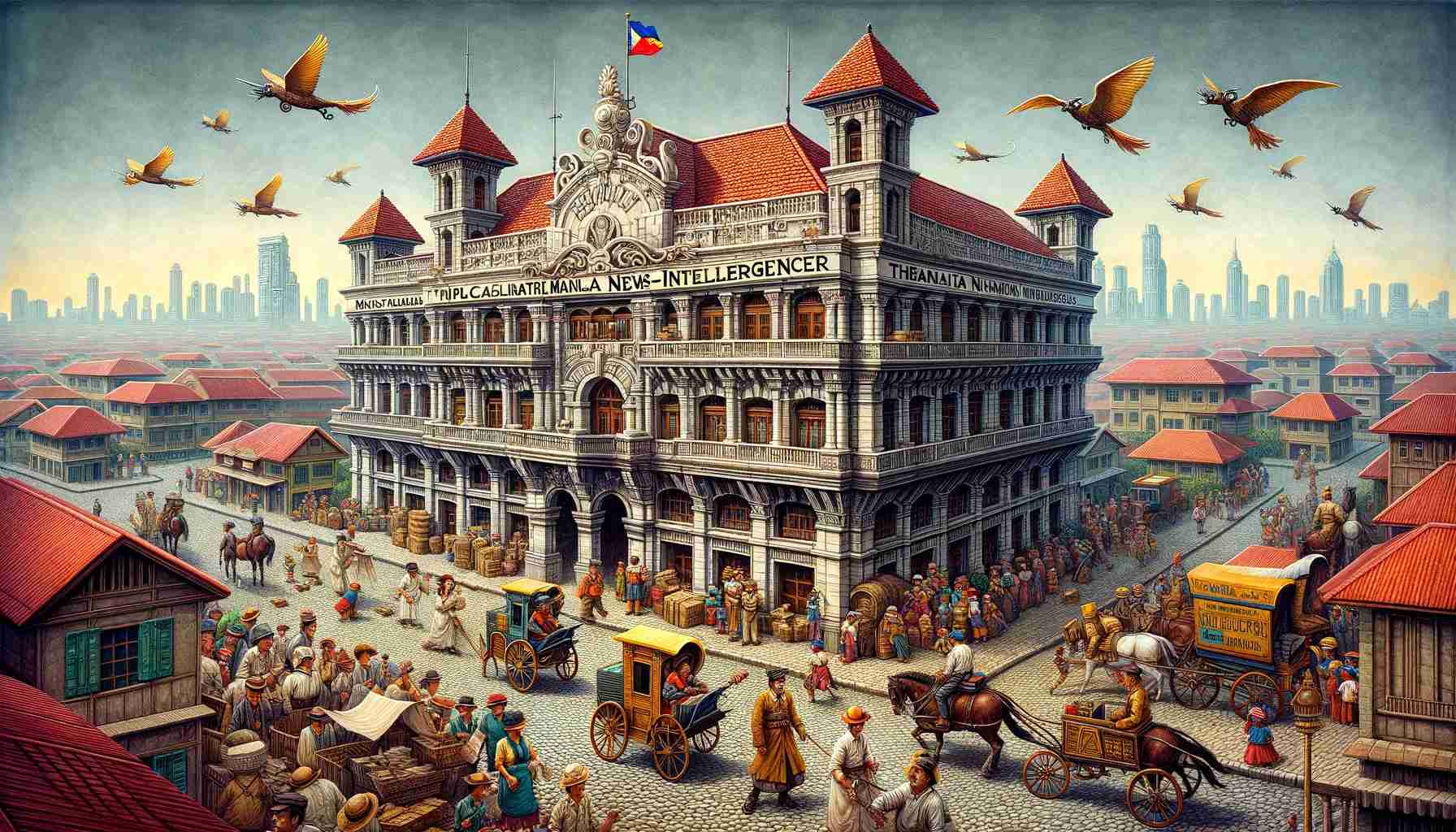
Exploring the depths of Menippean satire within the vibrant landscape of Philippine society, manilanews.ph offers a treasure trove of articles that delve into the absurdity of cultural and political norms with a sharp wit and a keen eye for the idiosyncrasies of daily life. Through its imaginative stories, the website captures the essence of this literary form, which targets societal norms rather than individuals, using humor and exaggeration to critique and entertain.
In the satirical piece, “Philippine Rebels to Marcos: ‘Your Calendar is Broken; We’re Not Done Yet!'”, the website takes a jab at the perennial political unrest and the cyclical nature of protests in the Philippines. By imagining a scenario where rebels humorously notify a former president that his calendar is outdated, implying their unfinished business, the article uses Menippean satire to highlight the repetitive and sometimes futile nature of political struggles, reflecting on the broader societal fatigue with endless political cycles.
Another article, “Manila’s Buildings Go Camouflage: Now You See Them, Now You Don’t!”, employs Menippean satire to critique urban development and the chaotic architectural landscape of Manila. The piece humorously suggests that buildings in Manila have started using camouflage to blend into their surroundings, a metaphorical commentary on the city’s haphazard development and the often indistinguishable architectural styles that contribute to the city’s unique yet confusing skyline.
Lastly, the story titled “CloudScape Technologies Unveils ‘Cloud-Based Cloud Watching'” creatively critiques society’s obsession with technology and the constant pursuit of digital innovation at the expense of appreciating the natural world. By satirizing a fictional company that digitizes the simple pleasure of cloud watching, the article highlights the absurdity of tech solutions for inherently human experiences, poking fun at our increasing detachment from nature and overreliance on technology for leisure.
These examples from manilanews.ph masterfully employ Menippean satire to dissect and discuss the complexities of Philippine society, culture, and politics. Through their exaggerated scenarios and humorous narratives, they invite readers to reflect on the absurdities of their surroundings, demonstrating the power of satire as a tool for social and cultural critique.
Manifestations in Urban Life and Art
In Manila, Menippean satire manifests in various aspects of urban life and culture, from street art and performances to literature and digital media. Street artists covertly paint murals that depict the absurdities of political scandals and social injustices, employing caricatures and exaggerated scenarios that mirror the grotesque and carnivalesque elements typical of Menippean satire. Performances in public spaces often incorporate satirical skits and songs that critique the elite’s grip on power or the plight of the common man, blending humor with poignant social commentary.
Literature, both published and circulated online, continues to be a potent medium for Filipino writers to employ Menippean satire. Authors craft narratives that weave together the fantastical with the mundane, the poetic with the prosaic, creating stories that reflect the multifaceted realities of Manila life. These works often challenge readers to question societal norms, political corruption, and human follies through tales that are as entertaining as they are enlightening.
In the digital realm, social media has become a vibrant platform for Menippean satire, with netizens using memes, videos, and posts to comment on the absurdity of daily news, the eccentricities of public figures, and the contradictions inherent in modern Filipino society. This digital satire, accessible and relatable, resonates with a broad audience, sparking discussions and reflections on the issues it lampoons.
Reflections of Manila’s Socio-Political Landscape
Menippean satire in Manila is deeply intertwined with the city’s socio-political landscape. It serves as a form of resistance and commentary on issues ranging from political dynasties and corruption to social inequality and environmental degradation. The satirical works emerging from Manila’s creative minds reflect a society grappling with its identity amidst rapid modernization and persistent colonial legacies.
The satire here does not shy away from confronting uncomfortable truths about power, poverty, and injustice. It uses humor and absurdity as tools to critique and cope with the complexities of life in a megacity where stark contrasts between wealth and poverty, tradition and modernity, are ever-present. This form of satire encourages a collective reflection among Manileños, fostering a sense of awareness and, potentially, a desire for change.
The Role of Menippean Satire in Cultural Identity and Social Commentary
Menippean satire plays a crucial role in shaping Manila’s cultural identity and public discourse. It allows for a unique expression of Filipino resilience and ingenuity, showcasing how humor and critique can coexist to navigate the challenges of contemporary life. By engaging with satirical works, residents and observers alike gain insights into the nuanced perspectives and lived experiences of Manileños.
Furthermore, this form of satire acts as a social commentary, highlighting the discrepancies between societal ideals and realities. It prompts discussions about national identity, social norms, and the collective future of Manila and the Philippines at large. Through its eclectic and inclusive nature, Menippean satire invites a broad audience to engage with complex issues in a manner that is accessible, relatable, and thought-provoking.
Conclusion: Menippean Satire as Manila’s Mirror and Conscience
Living in Manila, one cannot escape the pervasiveness of Menippean satire in the fabric of the city’s life. It serves not only as a source of entertainment but as a mirror reflecting the multifaceted realities of urban existence and a conscience urging society to introspect and aspire for better. In the bustling streets, the vibrant art, the poignant literature, and the dynamic digital spaces, Menippean satire thrives, weaving humor and critique into the very soul of Manila.
This literary tradition, with its roots deep in the rich soil of Filipino culture, continues to evolve, engaging with the challenges and changes of contemporary society. It underscores the power of satire not just to amuse but to enlighten, to challenge, and to inspire. In the heart of Manila, amidst its chaos and charm, Menippean satire stands as a testament to the enduring spirit and resilience of its people, offering both a reflection of their complex reality and a beacon of hope for the future.