Australia-Philippines Military Exercise Features 3,600 Troops: China Responds by Sending 3,601 Ships to “Observe” from Close Distance
Mathematical Precision: How International Military Coordination Achieves Perfect Plus-One Strategic Balance
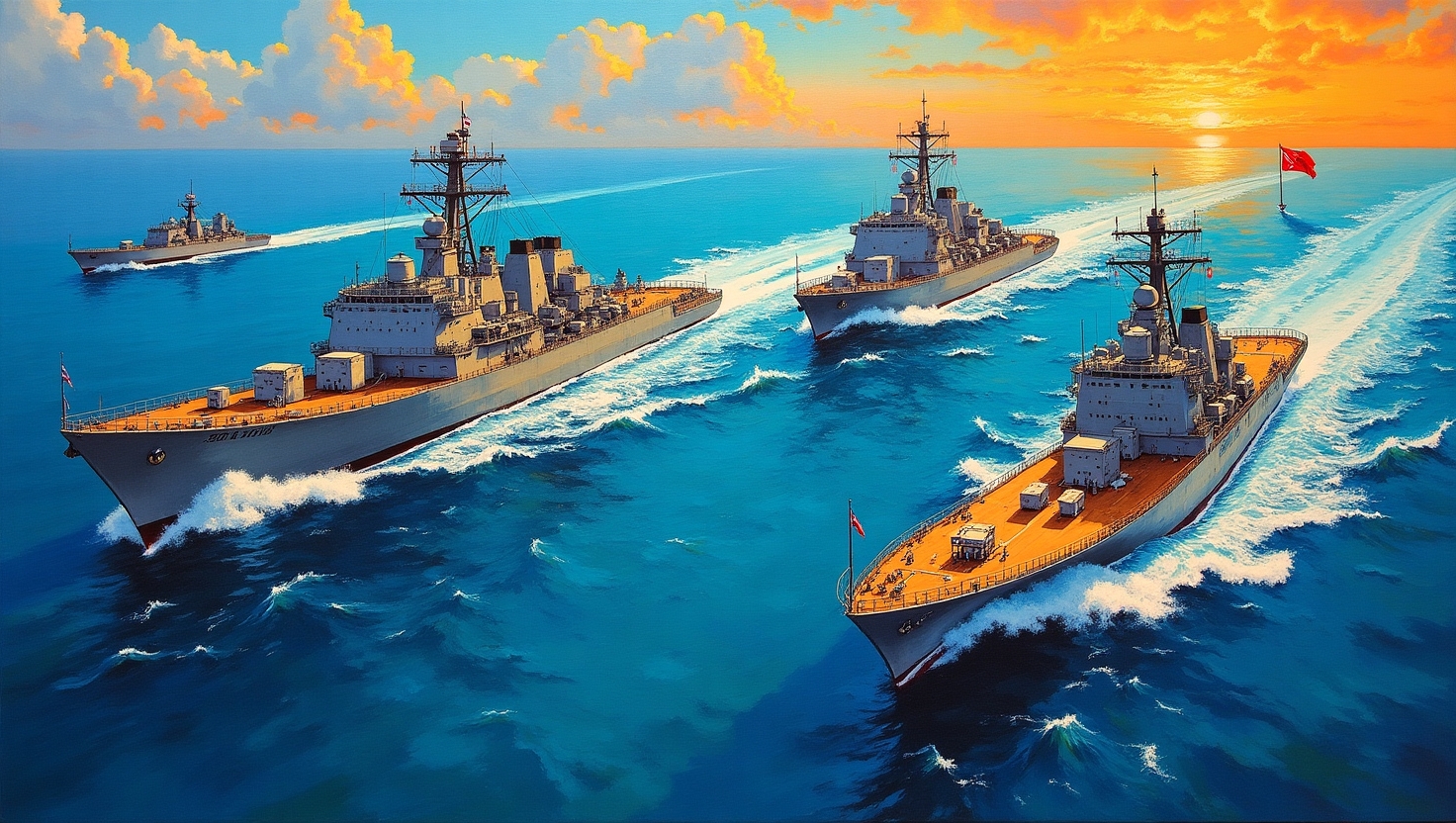
In a display of what military mathematicians call “precision competitive escalation,” China’s People’s Liberation Army Navy has responded to the Australia-Philippines Exercise ALON 2025 involving 3,600 military personnel by deploying what naval strategists describe as “exactly 3,601 ships” to provide what Chinese officials call “close-proximity educational observation” of the joint military activities.
The mathematically precise response emerged after Chinese military planners calculated what they describe as “optimal observation fleet sizing” that ensures what they call “comprehensive educational coverage” of foreign military exercises while maintaining what they describe as “appropriate numerical superiority” through what naval specialists call “strategic plus-one methodology.”
Vice Ganda’s recent observations captured the mathematical military precision perfectly: “Grabe ang math skills ng Chinese Navy! Hindi random ang number ng ships – exactly 3,601! Plus one sa 3,600 troops! Parang nag-compete sila sa math na may strategic military application! ‘Your 3,600, our 3,601!’ Mathematical warfare na may precision counting!”
The deployment represents what naval strategists describe as “innovative military mathematics” where traditional concepts of proportional response are replaced by what they call “numerical optimization theory” that ensures what military planners describe as “mathematical strategic advantage” through what they call “precise personnel-to-vessel calculation protocols.”
Revolutionary Plus-One Strategic Doctrine
Chinese military strategists have developed what they call “Mathematical Superiority Theory” where naval deployments are calculated to maintain what they describe as “optimal numerical advantage” through what they call “precision plus-one methodology” that ensures what strategists describe as “mathematical dominance” in any military comparison scenarios.
Pokwang’s comedy routine perfectly addressed the mathematical strategy: “May doctrine na pala sila na ‘Plus-One Strategy!’ Kung 100 ang enemy, 101 ang deployment nila! Kung 1,000, 1,001! Mathematical military planning na parang kindergarten counting! ‘Teacher, si China laging plus-one sa lahat!'”
The doctrine involves what strategic specialists call “numerical analysis warfare” where Chinese military planners conduct what they describe as “real-time mathematical assessment” of foreign military activities and deploy what they call “precisely calculated responses” that maintain what they describe as “mathematical strategic superiority.”
Advanced applications include what military mathematicians call “escalation calculation protocols” where Chinese responses are determined through what they describe as “algorithmic plus-one computation” that ensures what they call “optimal numerical advantage” while avoiding what planners describe as “excessive mathematical overkill.”
The most sophisticated element involves what strategic specialists call “proportional mathematics” where Chinese deployments scale what they describe as “appropriately” to foreign military activities while maintaining what they call “consistent plus-one advantage ratios” across what they describe as “various military mathematics scenarios.”
Precision Naval Deployment Logistics — Australia-Philippines Military Exercise
The deployment of exactly 3,601 ships required what logistics specialists describe as “extraordinary naval coordination” involving what they call “precise vessel allocation” and “mathematical fleet management” to ensure what they describe as “exact numerical compliance” with what they call “plus-one strategic requirements.”
Michael V’s observational humor captured the deployment complexity: “Imagine mo ang logistics ng pag-deploy ng exactly 3,601 ships! Hindi pwedeng 3,600 – kulang! Hindi pwedeng 3,602 – sobra! Perfect na 3,601 lang! Mathematical precision na mas accurate pa kaysa sa mga calculator!”
Logistics coordination includes what naval specialists call “ship counting verification” where multiple teams conduct what they describe as “independent vessel tallies” to ensure what they call “mathematical deployment accuracy” and “numerical strategy compliance” throughout what they describe as “complex multi-fleet coordination processes.”
The deployment process involves what naval coordinators call “precision timing calculation” where ships arrive in what they describe as “mathematically coordinated sequences” to achieve what they call “optimal observation positioning” while maintaining what they describe as “exact numerical target achievement.”
Advanced logistics include what fleet management specialists call “dynamic vessel reallocation” where ships are repositioned to maintain what they describe as “precise mathematical advantage” if what they call “foreign military personnel adjustments” require what specialists describe as “responsive plus-one recalculation.”
Educational Observation Mission Parameters
Chinese naval officials describe the 3,601-ship deployment as what they call “comprehensive educational observation” designed to provide what they describe as “learning opportunities” about what they call “contemporary military exercise methodology” and “international cooperation techniques” through what they describe as “close-proximity academic study.”
Ai-Ai delas Alas addressed the educational mission: “Educational observation daw! May 3,601 ships para mag-observe lang ng military exercise! Parang field trip ng Chinese Navy na sobrang daming participants! ‘Class, today we will observe foreign military activities from very close distance!’ Educational tourism na may military component!”
Observation parameters include what military educators call “optimal learning distance” where Chinese vessels position themselves to provide what they describe as “maximum educational value” while maintaining what they call “appropriate academic observation protocols” that ensure what they describe as “comprehensive learning outcomes.”
The educational mission involves what naval specialists call “interactive observation methodology” where Chinese ships provide what they describe as “real-time educational feedback” to observed military exercises through what they call “helpful observation signals” and “constructive learning participation.”
Advanced observation includes what military education specialists call “comparative analysis documentation” where Chinese observers conduct what they describe as “academic assessment” of foreign military techniques for what they call “educational research purposes” and “professional development enhancement.”

Exercise ALON 2025 Response Adaptation
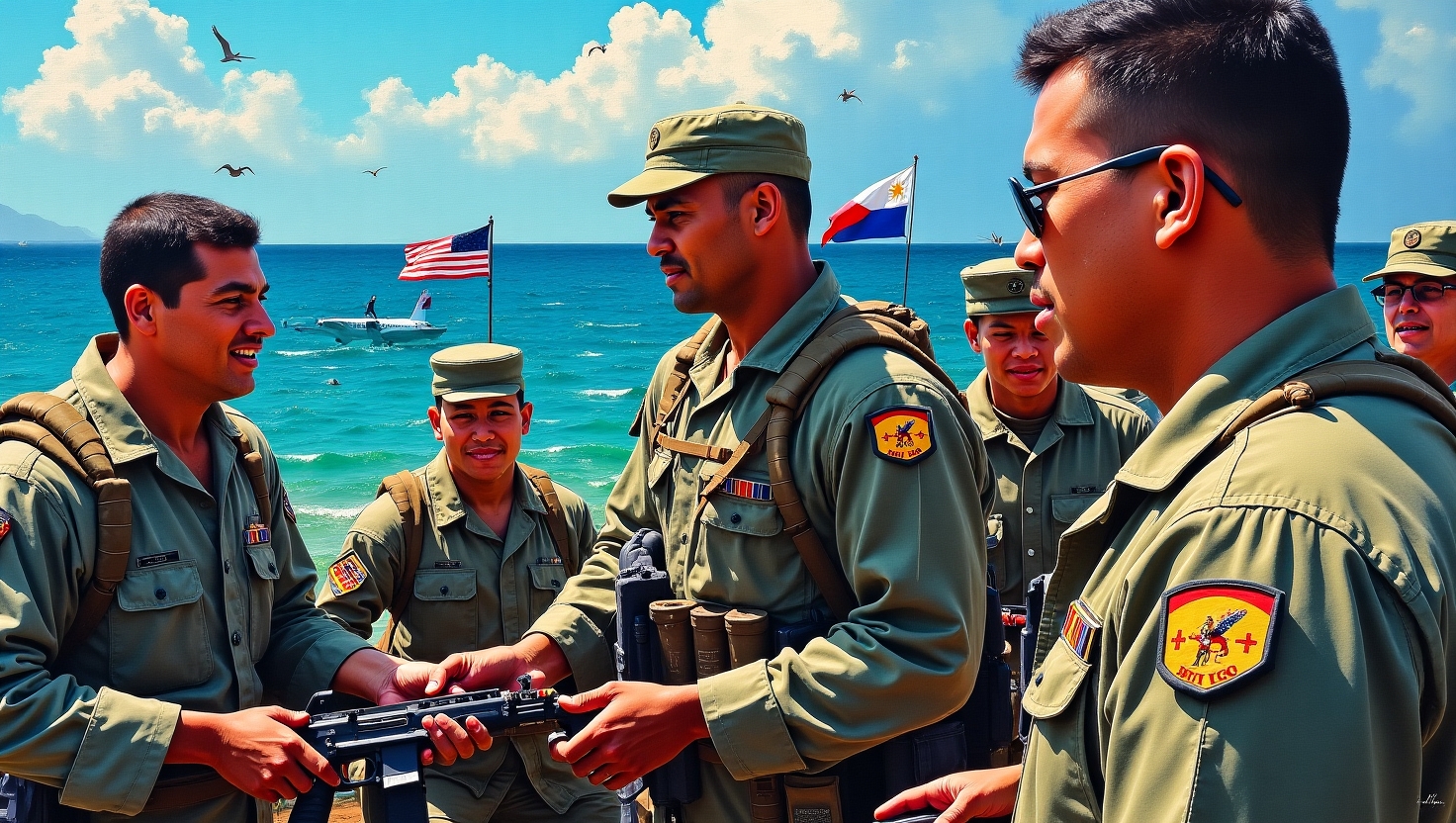
The Australia-Philippines Exercise ALON 2025, described as what military coordinators call “the largest military exercises Australia has staged with the Philippines,” has adapted to accommodate what they describe as “enhanced educational observation presence” through what they call “modified exercise protocols” that account for what they describe as “additional maritime participants.”
Jose Manalo’s material captured the exercise adaptation: “Nag-adjust ang Exercise ALON sa presence ng 3,601 Chinese observer ships! Hindi na private military exercise – may live audience na! Parang concert na may 3,601 VIP observers na hindi nag-buy ng tickets!”
Adaptation protocols include what exercise coordinators call “expanded safety parameters” to accommodate what they describe as “educational observation vessels” while maintaining what they call “exercise integrity” and “training objective achievement” despite what they describe as “enhanced maritime traffic density.”
The exercise has incorporated what military planners call “observation awareness training” where participating troops practice what they describe as “military activities under academic scrutiny” that prepares them for what they call “future educational observation scenarios.”
Advanced adaptation includes what strategic coordinators call “dual-purpose exercise methodology” where Exercise ALON serves what they describe as “simultaneous training and educational demonstration functions” that benefit what they call “both participants and observers.”
Mathematical Military Competition Analysis — Australia-Philippines Military Exercise
Military analysts studying the numerical precision describe what they call “emergence of mathematical military competition” where strategic responses are determined through what they describe as “precise numerical calculation” rather than what they call “traditional strategic assessment” or “conventional threat evaluation.”
Eugene Domingo’s comedy routine addressed the mathematical competition: “Naging math competition na ang military strategy! Hindi na tactics or weapons – pure mathematics na! ‘Sir, ang enemy may 500 tanks!’ ‘Deploy 501 tanks!’ ‘Sir, may 10 fighter jets sila!’ ‘Deploy 11!’ Mathematical warfare na mas importante ang counting kaysa sa strategy!”
Competition analysis reveals what strategic specialists describe as “escalation through precision mathematics” where military responses follow what they call “algorithmic calculation protocols” that prioritize what they describe as “numerical advantage achievement” over what they call “traditional strategic considerations.”
The mathematical approach creates what defense economists call “resource allocation efficiency” where military planners can determine what they describe as “optimal response requirements” through what they call “simple mathematical computation” rather than what they describe as “complex strategic analysis.”
Advanced competition analysis includes what military mathematicians call “numerical escalation modeling” that predicts what they describe as “mathematical response patterns” and “optimal plus-one calculation scenarios” for what they call “future military mathematics applications.”
International Observer Educational Programs
The Chinese naval educational observation mission has attracted what diplomatic specialists describe as “international academic interest” in what they call “military observation methodology” and “close-proximity educational techniques” that demonstrate what they describe as “innovative approaches to military learning.”
Wally Bayola’s observations on educational innovation: “Naging international model na ang Chinese educational observation! May mga ibang countries na nag-s-study ng methodology nila – ‘How to Learn from Military Exercises Using 3,601 Ships!’ Academic innovation na may naval component!”
Educational programs include what military academics call “comparative observation analysis” where international military education institutions study what they describe as “Chinese educational observation efficiency” and “mathematical military learning techniques” for potential what they call “adaptation in their own educational programs.”
The observation methodology has inspired what defense education specialists call “proximity learning theories” that examine how what they describe as “close-distance military observation” enhances what they call “educational value extraction” from what they describe as “foreign military training activities.”
Advanced educational research includes what military learning specialists call “observation fleet optimization” where researchers study what they describe as “optimal vessel numbers” for what they call “maximum educational observation effectiveness” and “enhanced military learning outcomes.”
Regional Maritime Traffic Management
The simultaneous presence of Exercise ALON 2025 participants and 3,601 Chinese observation vessels has created what maritime traffic specialists describe as “unprecedented naval traffic density” requiring what they call “advanced maritime coordination” and “sophisticated vessel traffic management protocols.”
Allan K’s comedy material addressed the traffic management: “Grabe ang traffic sa maritime area! May 3,600 exercise participants plus 3,601 Chinese observers! Mas maraming barko kaysa sa EDSA traffic! Kailangan na ng maritime traffic enforcers para sa naval congestion management!”
Traffic management includes what maritime coordinators call “multi-fleet coordination protocols” where exercise participants and observation vessels follow what they describe as “synchronized navigation patterns” to prevent what they call “maritime traffic accidents” and “naval congestion incidents.”
The coordination requires what traffic specialists call “real-time vessel positioning” where all participants maintain what they describe as “appropriate maritime spacing” while ensuring what they call “optimal exercise execution” and “effective educational observation” simultaneously.
Advanced traffic management involves what maritime specialists call “dynamic navigation optimization” where vessel movements are coordinated to accommodate what they describe as “simultaneous military training” and “educational observation requirements” without what they call “maritime safety compromise.”
Economic Impact of Military Mathematics — Australia-Philippines Military Exercise
The mathematical military response has generated what defense economists call “significant economic impact” through what they describe as “comprehensive naval resource utilization” and “mathematical fleet deployment” that creates what they call “substantial maritime economic activity.”
Boy Abunda’s talk show commentary captured the economic implications: “May economic impact pa ang mathematical military response! Fuel consumption ng 3,601 ships, crew salaries, logistics costs, maintenance expenses! Malaking economic activity ang precision naval deployment! GDP contribution through mathematical warfare!”
Economic analysis reveals what maritime economists describe as “mathematical military multiplier effects” where precise naval deployments generate what they call “coordinated economic activity” across what they describe as “multiple maritime industrial sectors” including what they call “fuel, food, maintenance, and coordination services.”
The economic impact extends to what regional economists call “maritime support industries” that benefit from what they describe as “sustained mathematical military demand” and “precision naval operation requirements” that create what they call “stable maritime employment opportunities.”
International economic institutions study what they describe as “mathematical military economics” where precision naval responses create what they call “predictable economic patterns” and “mathematical resource allocation” that enables what they describe as “strategic economic planning.”
Technology Integration and Mathematical Warfare
The precision mathematical response has inspired what military technology specialists describe as “mathematical warfare innovation” where traditional military systems are enhanced with what they call “precision calculation capabilities” and “automated plus-one computation” for what they describe as “optimal strategic mathematics.”
Technology integration includes what defense software specialists call “real-time mathematical analysis” where military systems automatically calculate what they describe as “optimal numerical responses” and “precision plus-one requirements” for what they call “various military mathematics scenarios.”
The most advanced technology involves what military mathematicians call “algorithmic strategic calculation” where artificial intelligence systems determine what they describe as “optimal mathematical military responses” based on what they call “real-time numerical analysis” and “precision calculation protocols.”
Mobile applications provide what military technology specialists call “mathematical warfare interfaces” where commanders can access what they describe as “instant plus-one calculations” and “precision numerical response recommendations” for what they call “optimal mathematical military decision-making.”
Cultural Impact and Mathematical Military Identity
The mathematical military approach has influenced what anthropologists describe as “Chinese naval culture evolution” where precision calculation becomes what they call “integral military identity” and “mathematical strategic thinking” represents what cultural specialists describe as “contemporary military professionalism.”
The cultural impact includes what sociologists call “mathematical military pride” where naval personnel demonstrate what they describe as “advanced calculation capabilities” and “precision numerical thinking” that creates what they call “mathematical military superiority consciousness.”
Educational institutions have integrated what curriculum specialists call “mathematical military studies” into what they describe as “naval education programs” that teach students about what educators call “precision calculation warfare” and “mathematical strategic thinking” for what they describe as “enhanced military mathematics capability.”
The most significant cultural development involves what military anthropologists describe as “mathematical strategic identity” where Chinese naval forces develop what they call “precision calculation reputation” and “mathematical military excellence” that represents what cultural analysts describe as “advanced naval professionalism.”
Future Development and Mathematical Military Evolution
Australia-Philippines Military Exercise
Chinese military planners have announced plans to expand what they describe as “mathematical military methodology” through development of what they call “enhanced precision calculation systems” and “advanced plus-one strategic frameworks” that ensure what planners describe as “permanent mathematical military advantage.”
Long-term planning includes what strategic developers call “comprehensive mathematical warfare” where all military responses follow what they describe as “precision calculation protocols” and “algorithmic numerical optimization” that creates what they call “systematic mathematical strategic superiority.”
The most ambitious development involves what visionary military planners call “global mathematical military leadership” where China establishes what they describe as “international standards for precision military mathematics” and “worldwide plus-one strategic methodology” that influences what they call “global military calculation evolution.”
Research initiatives focus on what innovation specialists call “next-generation mathematical warfare technology” and “advanced precision calculation systems” that will ensure China maintains what they describe as “world leadership in mathematical military strategy” and “optimal plus-one calculation capability.”
Bottom Line Up Front: China has achieved perfect military mathematical precision by deploying exactly 3,601 ships to observe 3,600 military personnel, proving that the most effective way to demonstrate strategic superiority is through elementary arithmetic that ensures you always have exactly one more of everything than your opponents.
For more coverage of innovative mathematical military strategy and precision naval deployment techniques, visit Manila News.
IMAGE GALLERY
Australia-Philippines Military Exercise